Why Your Current Driveway Replacement Estimate Matters
Getting multiple estimates for a concrete driveway replacement is the smart move. But without knowing what to look for, those numbers on the page can feel confusing, incomplete, or even misleading. We’ve helped hundreds of Lafayette homeowners navigate this process, and we want you to understand exactly what separates a solid estimate from one that glosses over critical details.
The right estimate does more than quote you a price. It shows you’ve found a contractor who understands your specific project, has done the math carefully, and stands behind their work. Let’s walk through how to evaluate estimates like someone who knows the business.
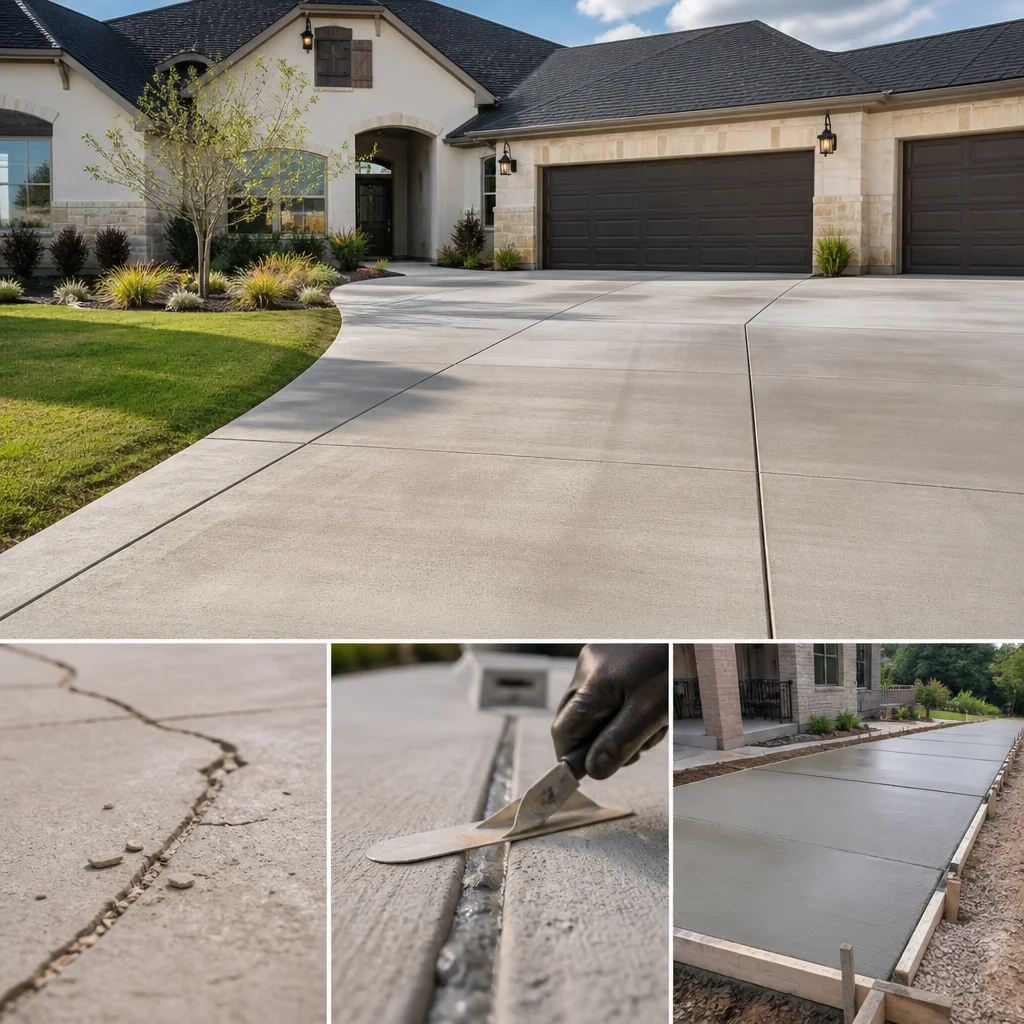
A driveway estimate is a detailed snapshot of what you’re about to invest in. It’s not just a number to compare—it’s a contract foundation and a promise of scope. When you’re looking at replacing 500 square feet of cracked, deteriorating concrete, the difference between a vague quote and a detailed estimate can mean the difference between a smooth project and unexpected costs mid-work.
Your estimate tells you what the contractor believes needs to happen, how much material they’ll use, what labor they’re factoring in, and what timeline they’re working toward. Homeowners who take time to truly evaluate their estimates report higher satisfaction with their final results because there were fewer surprises.
When you have a strong estimate in hand, you also have leverage to ask informed questions and understand the reasoning behind the price. This knowledge reduces anxiety and helps you make a decision based on facts rather than just gut feeling.
Common Mistakes Homeowners Make When Reviewing Quotes
The biggest mistake we see is comparing only the bottom-line price across multiple bids. Concrete work varies dramatically in scope, materials, and labor approach. A bid that’s significantly lower often reflects cuts in preparation work, different concrete mix design, or rushed timelines that could compromise durability.
Another frequent error is not asking what’s included and excluded. One estimate might factor in removing old concrete and site preparation, while another assumes you’re handling that separately. These gaps create confusion and hidden costs that surface later.
Homeowners also frequently overlook the timeline and warranty details. A contractor who promises a 10-year warranty on their work is making a different commitment than someone offering one year. Timeline matters too, especially if weather is approaching or you need access to your driveway by a specific date.
Finally, many property owners accept the first professional-looking estimate without questioning the details. Even if you don’t plan to hire multiple contractors, getting at least two solid estimates gives you a realistic range and helps you spot when something doesn’t add up.
What Professional Concrete Contractors Include in Estimates
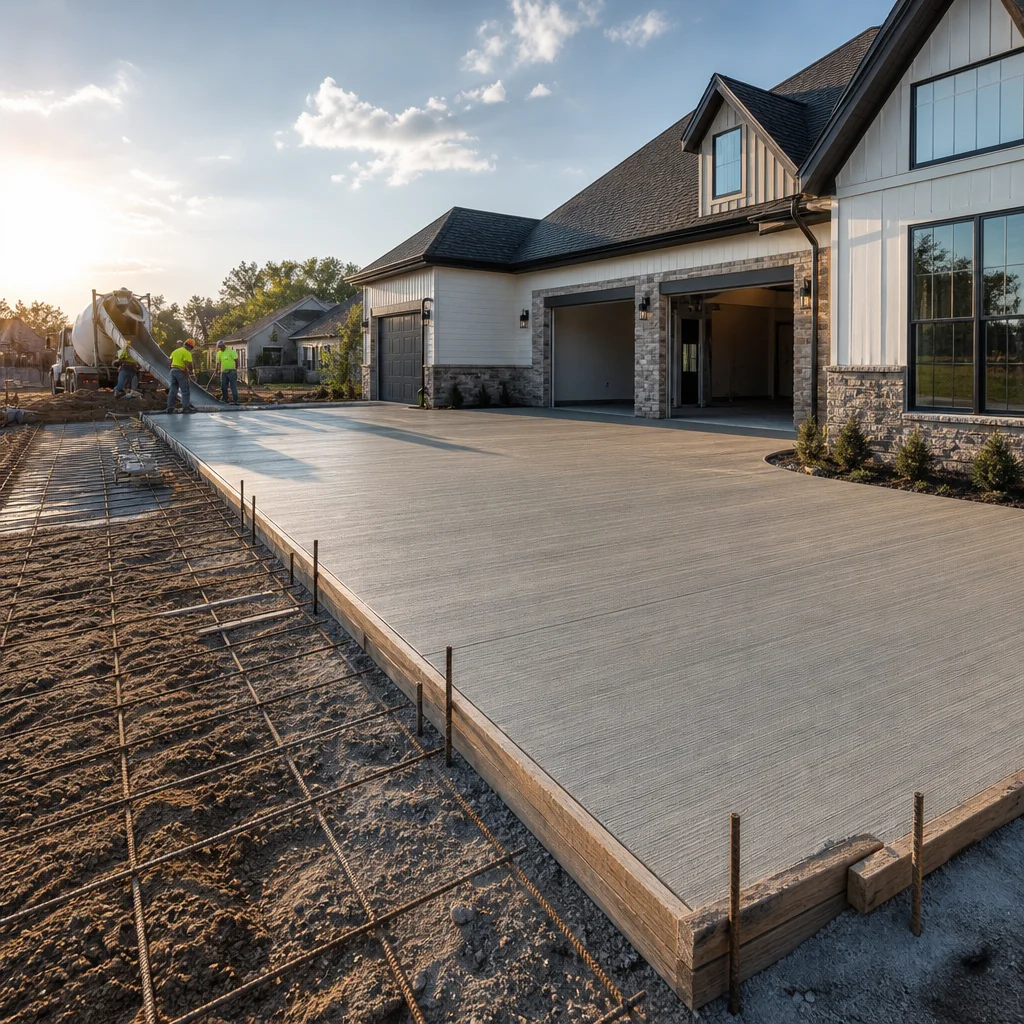
A thorough concrete driveway replacement estimate breaks down into several clear sections. First, there’s site assessment and preparation: removing the old concrete, excavation, grading, and base preparation. This portion typically represents 20-30% of the total cost and is absolutely foundational to longevity.
The estimate should specify concrete specifications like PSI (strength rating), air entrainment (freeze-thaw protection, critical for Louisiana winters), and finishing details. Materials cost should be itemized separately from labor. You should see square footage clearly calculated and multiplied by a per-square-foot rate that reflects the local market and your specific conditions.
A reputable estimate also includes demolition and debris removal, grading and compaction of the base, reinforcement (rebar or wire mesh if applicable), and concrete finishing options. It should address drainage considerations, edge details, and any broom finish or other surface treatment you’ve discussed.
Finally, professional estimates include their company name, license number, insurance information, contact details, and a date of validity. They’re specific enough that you could hand them to any other contractor and they’d understand exactly what work is promised.
Key Factors That Affect Your Driveway Replacement Cost
The actual square footage of your driveway is your primary cost driver. A 500-square-foot driveway costs considerably less than a 1,000-square-foot one, but the per-square-foot rate might shift slightly at larger volumes.
The current condition of the base underneath also matters. If we uncover a weak or improperly graded foundation, additional preparation work is needed. Some properties require better drainage solutions or reinforcement in freeze-prone areas. These details can’t be known until we assess your site.
Your location in or near Lafayette affects labor costs and material delivery. Concrete strength specifications vary too, depending on traffic load and climate considerations. A standard driveway might be 4 inches thick with 3,000 PSI concrete, but high-traffic areas or commercial properties need stronger specifications.
Surface finish choices add cost as well. A simple broom finish is less expensive than decorative scoring, stamping, or a polished appearance. Timeline also influences pricing—rushing a job or fitting you into a tight schedule can increase labor costs. Seasonal factors matter; concrete work is more expensive during peak spring and fall seasons in Louisiana.
How We Structure Our Detailed Estimates for Transparency
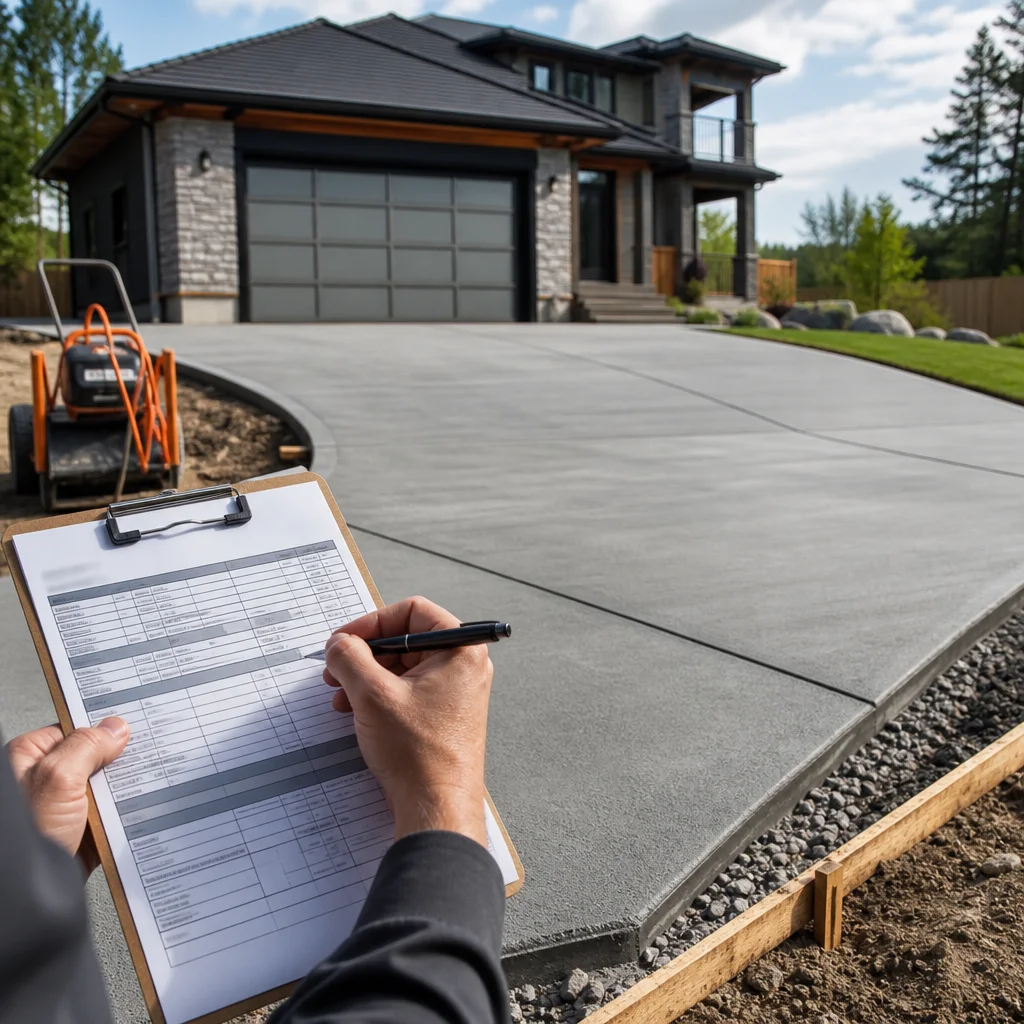
We start with a thorough on-site assessment where we measure your driveway, examine the existing concrete, evaluate drainage, and look at how the property slopes. This ground-truth information becomes the foundation of everything that follows.
Our estimates use a clear line-item format that separates preparation, materials, and labor. We specify the concrete mix we recommend and explain why it suits your climate and expected use. We include our crew size and the expected project timeline, so you know what to expect during construction.
We always disclose our licensing and insurance information on the estimate itself. We’re transparent about what happens if unexpected conditions surface during demolition, and we explain our change-order process for any work beyond the original scope. We also outline our cleanup and site restoration approach, so you know exactly what “finished” means to us.
Our free no-obligation estimates come with a window of validity, typically 30 days, so you can plan without feeling rushed. We’re happy to answer follow-up questions by phone or email as you compare options.
Questions You Should Ask Before Accepting Any Estimate
Always ask whether the price includes demolition and disposal of old concrete. Some contractors charge separately for this, which can add $500-$1,500 depending on the size of your driveway.
Inquire about the concrete PSI and air entrainment details. In Louisiana, freeze-thaw cycles happen regularly, and concrete without proper air entrainment deteriorates faster. Ask what warranty comes with the work and what it covers.
Request clarity on timeline. When would the crew start, how many days would the project take, and what weather conditions might cause delays? Ask what happens if it rains during or immediately after the pour, and what the crew’s protocol is.
Find out whether they handle any site preparation issues they discover after starting work, or whether you get charged separately. Ask if there are any required site conditions—like keeping the driveway closed for a certain number of days—that you need to plan around.
Finally, ask for references from recent driveway replacement projects and take the time to call them. Speaking directly with homeowners who used a contractor provides real-world perspective you won’t get from a written estimate alone.
The True Value of Licensed and Insured Concrete Work
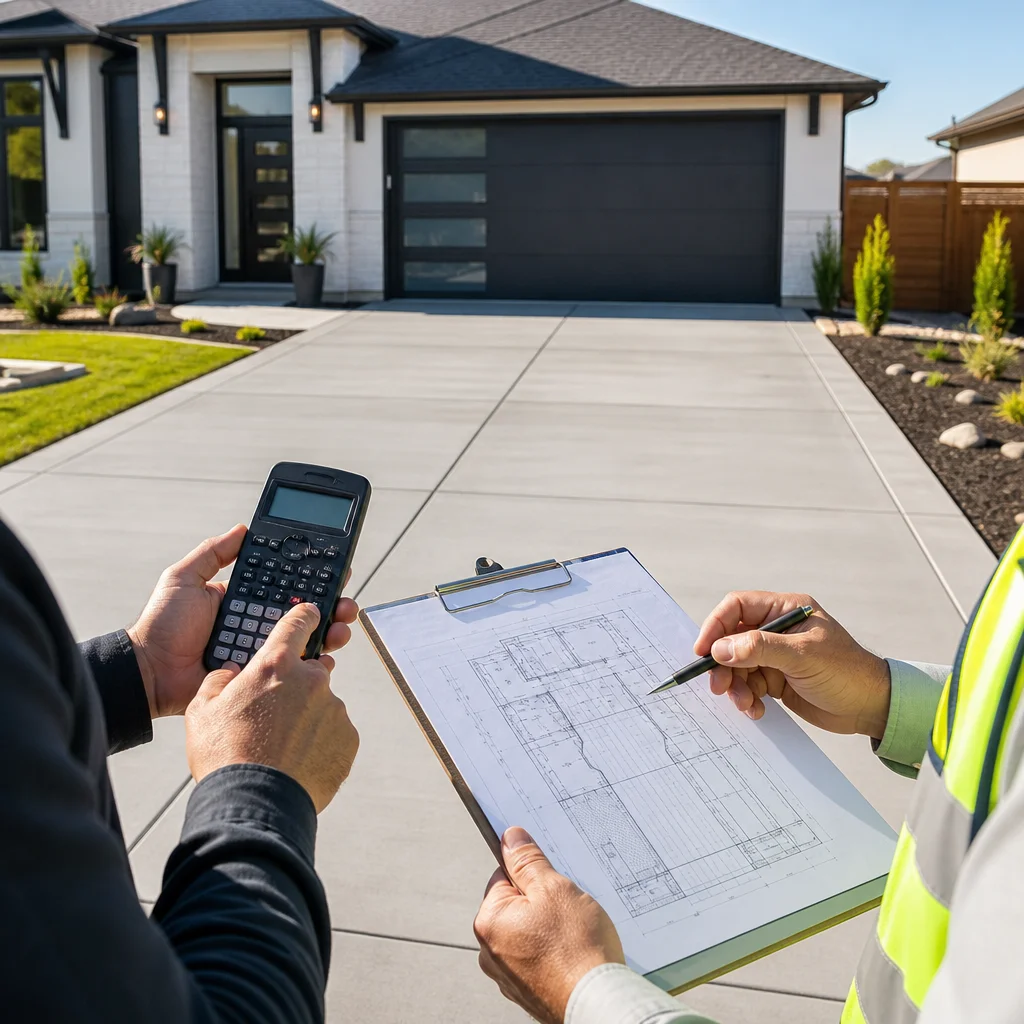
Licensed contractors have met education and experience requirements set by Louisiana. Licensing means someone verified they know how to do the work correctly. It’s not optional; it’s foundational to quality.
Insurance protects you. If something goes wrong during the project—say someone is injured or nearby property is damaged—you’re covered. Unlicensed or uninsured contractors put the financial burden on you. We carry both general liability and workers’ compensation insurance for every project we undertake.
A licensed and insured contractor stands behind their work with greater accountability. If your new driveway cracks prematurely due to poor workmanship, a licensed contractor is invested in fixing it. They have a reputation and business to protect.
When we provide our estimate, our license and insurance information is right there. It’s not hidden or presented as an afterthought. That transparency tells you we’re confident in our qualifications and we want you to verify them.
Comparing Multiple Estimates Without Getting Overwhelmed
Start by creating a simple spreadsheet. List each contractor’s name, the total price, the square footage they’re calculating, their PSI specification, whether demolition is included, and what warranty they offer. This format makes patterns obvious.
Calculate the per-square-foot cost for each estimate. If three contractors quote $15-18 per square foot and one quotes $8, you know something is different about that low bid. It might be legitimate if they operate very efficiently, but it deserves investigation.
Group line items by category: preparation and demolition, materials, labor, finishing, and site restoration. Compare how each contractor approaches these categories. Do they all include grading and base prep, or do some assume you’re handling that? These differences explain price variation.
Don’t weight your decision entirely on price. Instead, consider the complete package: reputation, responsiveness to questions, clarity of the estimate, insurance status, and reference feedback. The lowest price often reflects cuts in important areas.
Red Flags in Concrete Driveway Replacement Quotes
A price that’s dramatically lower than others deserves skepticism. Concrete is concrete; it doesn’t vary that much in cost. If someone is significantly cheaper, they’re likely cutting corners on preparation, concrete quality, or labor.
Vague language is a major red flag. Phrases like “site prep as needed” or “standard concrete” without specifying PSI or air entrainment suggest they haven’t thought through your project carefully. Good estimates are specific.
No mention of licensing or insurance information, or evasion when you ask about it, is disqualifying. So is unwillingness to provide references or a timeline. Contractors who seem rushed to close the deal without answering your questions are telling you something about their process.
Watch out for estimates that don’t address drainage or base preparation. These are the invisible fundamentals that determine whether your driveway lasts 20 years or 8. If they’re barely mentioned, the contractor isn’t thinking comprehensively.
Avoid anyone who pressures you to decide immediately or suggests you don’t need a second opinion. Legitimate contractors understand that you’re making a smart decision by comparing options. They’re confident in their work and aren’t afraid of the comparison.
Our Process for Delivering Accurate Free Estimates
We start by listening to what you need. Is this a driveway replacement because the old one failed, or is it an upgrade to enhance your property? Are there specific surface finishes or colors you want? Do you have timeline constraints? These details shape our recommendation.
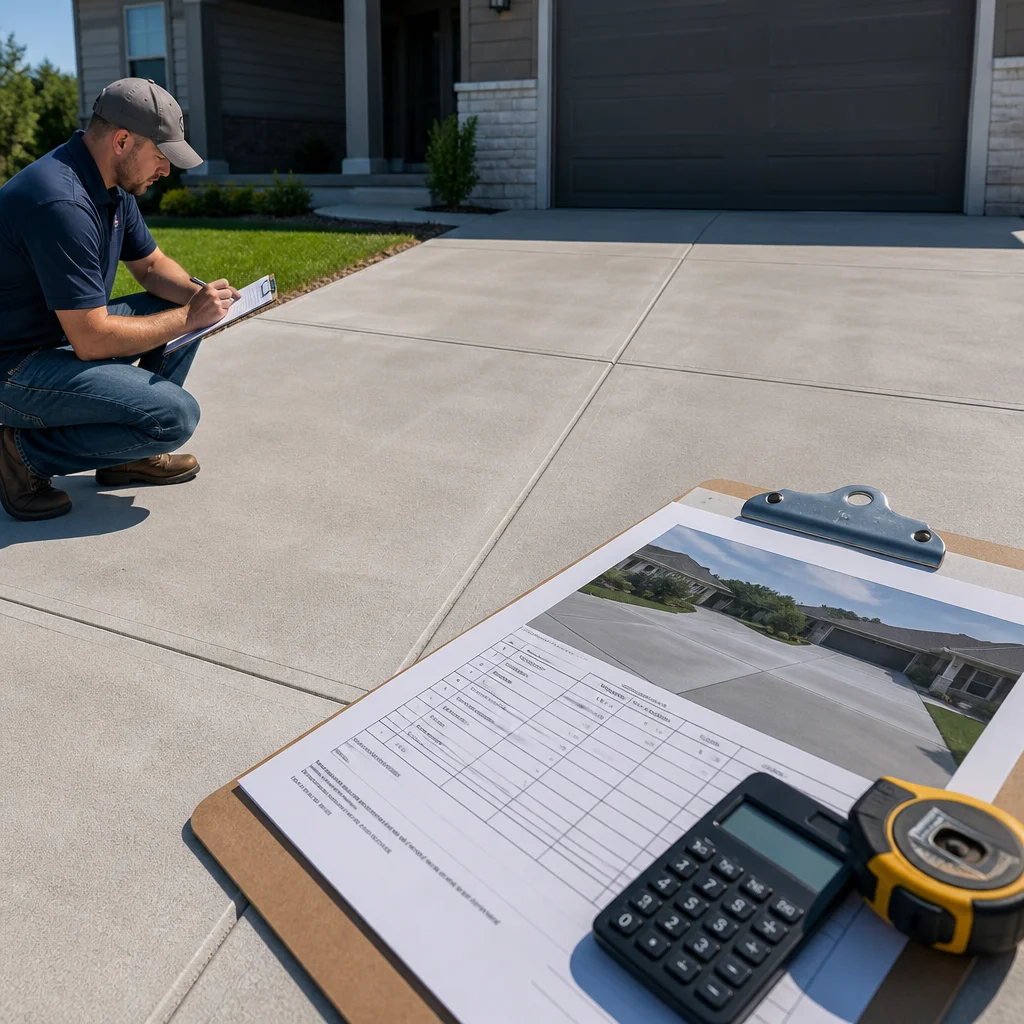
Next, we visit your property. We measure carefully, check the existing site conditions, look at drainage patterns, and assess whether any special considerations apply to your foundation or soil. We take photos and notes so we can reference specifics in our estimate.
Back in our office, we calculate materials precisely based on those measurements and conditions. We apply current local pricing for concrete and labor. We factor in the complexity we observed and build in realistic time for our crew.
Our estimate comes back to you with all line items broken down clearly. We can explain every number, and we’re available to answer questions before you decide. We never pressure you to commit during the estimate discussion. We want you to have the information you need to make the best choice.
Making Your Final Decision with Confidence
By this point, you’ve reviewed multiple estimates, asked good questions, and checked references. You should feel clear about what each contractor is promising and what the real differences are between your options.
Choose based on the complete picture, not just price. The contractor who communicates clearly, stands behind their qualifications, and responds thoughtfully to your questions is investing in your project’s success. That commitment shows up in the finished driveway.
Trust your gut about the contractor themselves. You’ll be interacting with them for weeks during the project. If something feels off about how they handle your questions or treat you during the estimate process, that’s valuable information.
Getting Started With Your Driveway Replacement Project Today
You’re ready to move forward when you have at least two solid estimates, you’ve verified licensing and insurance, and you feel confident in your choice of contractor. The next step is scheduling a site visit with the contractor you’ve selected and discussing final details like start date and payment terms.
We’d be happy to provide your free no-obligation estimate. Our team will assess your driveway, answer all your questions, and give you a clear, itemized quote you can compare against other contractors. Request a concrete quote today and let us show you how thorough and transparent a professional estimate should be. If you’re in the Lafayette area and ready to replace your driveway, we’re here to help you get it done right.
Frequently Asked Questions (FAQ)
What should we look for when comparing concrete driveway replacement estimates?
We recommend comparing three key elements across all your quotes: the scope of work (site preparation, removal, new installation), material specifications (concrete thickness and finish type), and timeline. Don’t just focus on price—ensure each estimate addresses the same project requirements so you’re actually comparing apples to apples. We also suggest asking each contractor about their warranty and how they handle unexpected issues during installation, as these details often reveal the true value of each proposal.
Why is it important to work with a licensed and insured concrete contractor?
When you hire us or any licensed and insured contractor, you’re protecting yourself financially and legally. Our licensing demonstrates we meet Louisiana’s professional standards and ongoing training requirements, while our insurance covers any accidents or property damage that might occur during your project. If something goes wrong with an uninsured contractor, you could end up paying out of pocket for repairs or injuries—a cost that typically far exceeds what you save by choosing the cheaper bid.
How do we structure our estimates to make them easy to understand?
We break down our estimates into clear sections: site preparation costs, concrete material and labor, finishing options, and any additional work like drainage or removal. Each line item shows you exactly what you’re paying for, and we explain any variables that could affect your final cost before work begins. This transparency helps you understand where your investment goes and makes it simple to compare our estimate with others you’ve received.