Why Driveway Permits Matter in Lafayette
Driveway replacement might seem straightforward, but skipping the permit process creates real problems down the road. Permits exist to ensure your concrete work meets local safety standards, drainage requirements, and property line regulations. When you operate without one, you risk code violations that can complicate future home sales, trigger fines from the city, or force you to remove and redo completed work at your own expense.
Lafayette has specific ordinances governing concrete installations because of our local climate and soil conditions. Heavy rains and expansive clay soils mean improper drainage or inadequate base preparation can lead to cracking, settling, and premature failure. Permits require inspections at critical stages so problems get caught before they become costly.
Beyond compliance, permits protect your property records. A permitted driveway adds documented value to your home and provides proof of professional installation should disputes arise with contractors.
What to do next: Contact your local permitting office or ask your contractor to confirm which projects require permits before you commit to work.
Understanding Lafayette’s Permit Requirements for Concrete Work
Not every concrete project in Lafayette requires a permit, but driveway replacements typically do. The rule generally applies when you’re replacing or installing new concrete driveways, expanding existing ones, or making structural changes. Minor repairs like filling cracks or resurfacing existing concrete often fall outside permit requirements, but alterations to size or grade definitely need approval.
The City of Lafayette’s Building and Code Enforcement Department reviews permit applications to verify:
- Proper setback distances from property lines and public easements
- Adequate slope for water drainage away from structures
- Compliance with ADA accessibility standards if applicable
- Foundation and soil preparation that meets Louisiana building codes
- Compliance with flood zone regulations if your property is in a flood-prone area
You’ll need to submit a completed permit application, a property survey showing lot lines and easements, a site plan indicating the driveway location and dimensions, and proof of property ownership. Some projects also require proof of contractor licensing and insurance before approval.
Permit fees vary based on the project scope and typically range from $50 to $200 for residential driveway work. The cost is minimal compared to the cost of redoing work that fails inspection or violates code.
What to do next: Gather your property deed and plat information. If you don’t have a recent survey, request one from your title company or a surveyor before submitting your permit application.
The Inspection Process: What to Expect
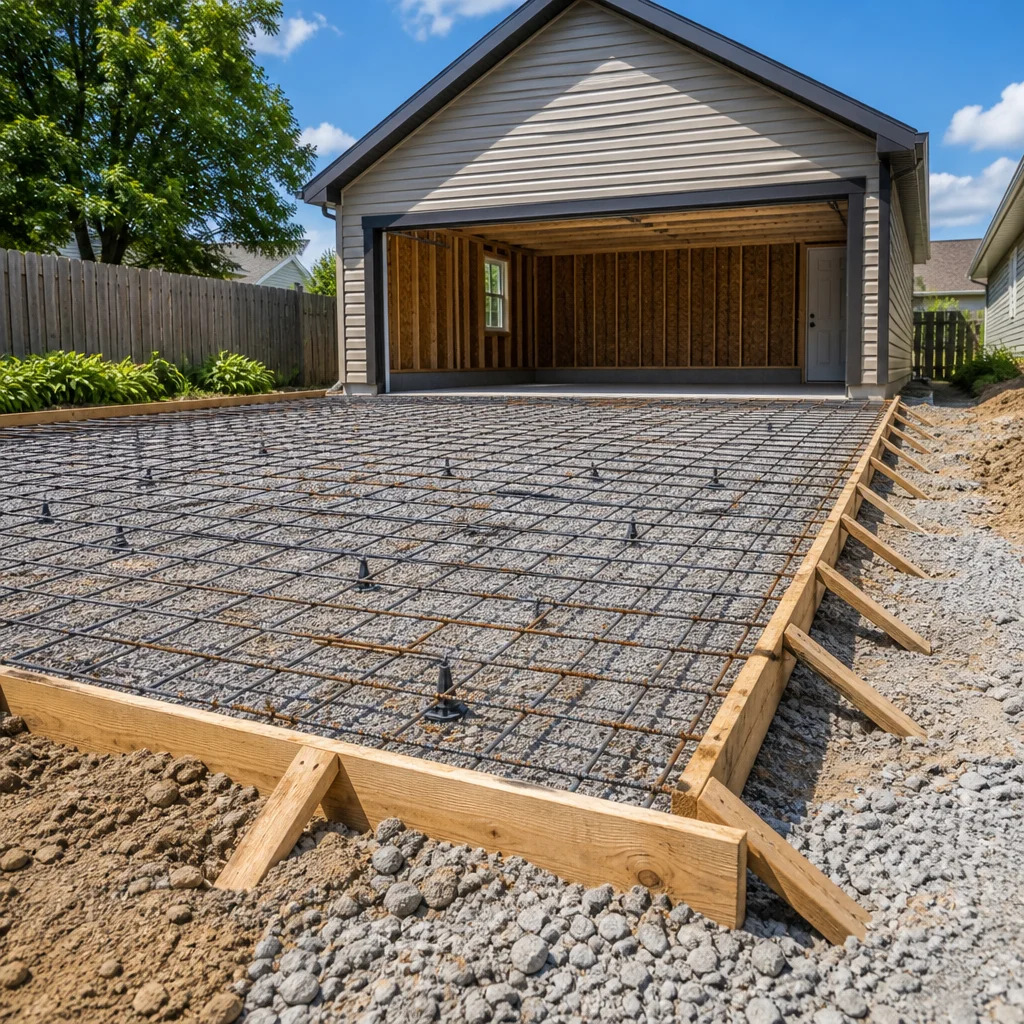
Lafayette conducts inspections at multiple stages of driveway replacement work. The first inspection happens before concrete is poured, checking that the subgrade preparation, base material, and erosion control measures meet code. The inspector ensures proper grading, adequate compaction of base layers, and correct slope direction for drainage.
After concrete curing (typically 7-14 days), a final inspection verifies the finished driveway meets specifications. The inspector measures slope, checks for proper drainage away from structures, confirms surface conditions and any required scoring or texturing, and verifies that the concrete thickness and reinforcement match approved plans.
During inspections, inspectors look for:
- Correct slope (typically 1/8 inch per foot minimum away from buildings)
- No pooling or standing water on the surface
- Proper expansion joints and control joints
- Surface finish appropriate for safety and drainage
- Compliance with setback and boundary requirements
The inspection process typically takes 30-45 minutes. An inspector will either approve the work, request corrections, or issue a citation if code violations exist. Most projects pass on the first inspection when a qualified contractor handles the work properly.
What to do next: Schedule inspections well in advance by contacting the permitting office. Ask your contractor to be present during inspections to address any questions immediately.
How We Handle Permits and Inspections for You
We manage the entire permit and inspection process as part of our comprehensive driveway replacement service. Our team handles the permit application paperwork, coordinates with the City of Lafayette’s Building and Code Enforcement Department, and schedules all necessary inspections. We prepare accurate site plans and documentation that comply with local codes so your project moves through the approval process efficiently.
Before we begin any work, we survey your property, review local regulations, and determine exactly what permits your project requires. We don’t want you discovering halfway through that you needed approval for something you thought was exempt. Our experience with Lafayette’s specific requirements means we anticipate potential issues and address them upfront.
When inspectors arrive, we’re on-site to walk them through our work, answer technical questions, and make any minor adjustments if needed. We maintain relationships with local inspectors and understand their expectations. This familiarity helps projects pass inspection the first time, keeping your timeline on track and avoiding costly delays or rework.
After final inspection approval, we provide you with all permit documentation for your records. This paperwork becomes part of your home’s history and proves the work was completed to code.
What to do next: Request a detailed timeline from any contractor you hire, showing when they’ll apply for permits and when inspections are scheduled. This helps you plan around construction schedules.
Common Permit Mistakes We Help You Avoid
The most frequent mistake we see is homeowners or inexperienced contractors failing to pull permits at all. They assume minor work doesn’t need approval or think permits are unnecessary overhead. Then a code enforcement officer notices the new driveway, a neighbor complains, or the homeowner tries to sell and discovers the unpermitted work.
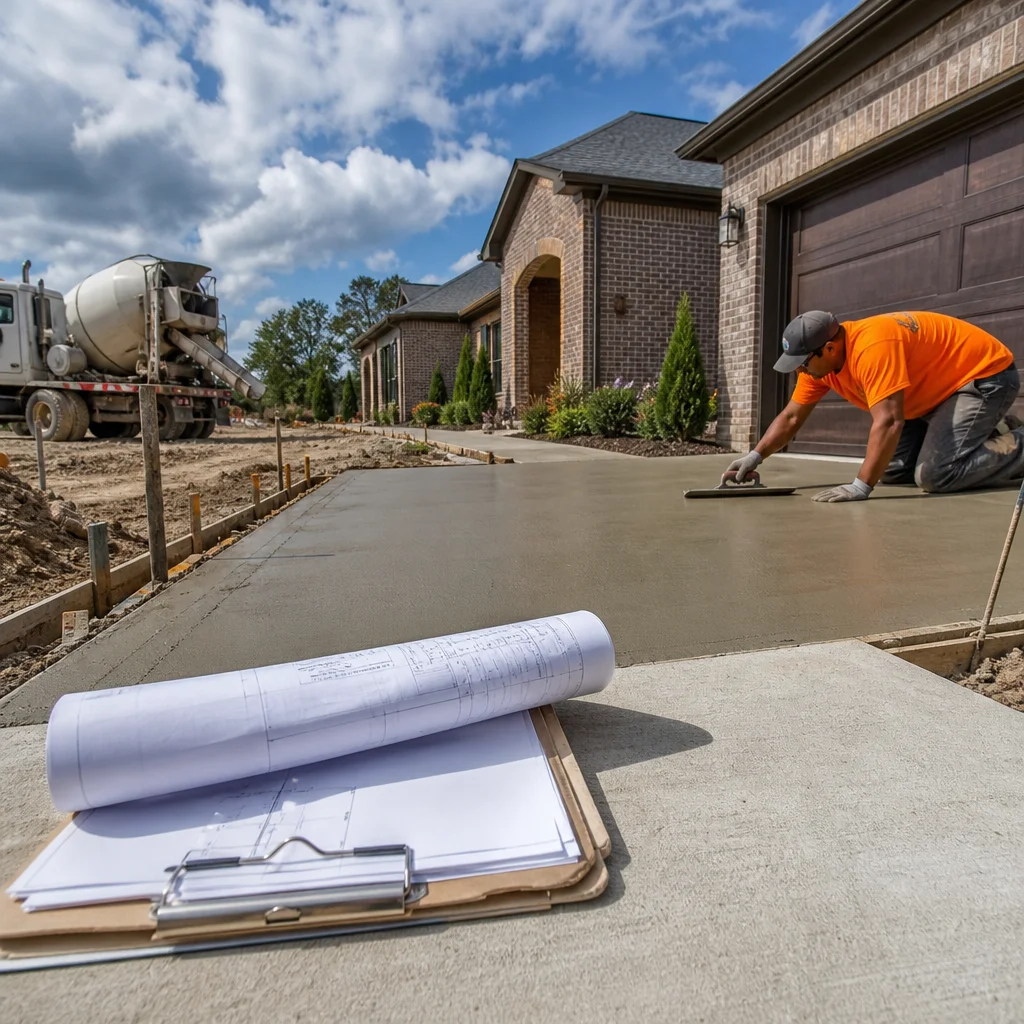
Another common error involves inaccurate site plans. Contractors who estimate property setbacks without a formal survey sometimes encroach on easements or violate setback requirements. The city catches this at inspection, and the work must be removed and redone at the contractor’s or homeowner’s expense.
Improper grading and drainage cause many failed inspections. Contractors unfamiliar with Lafayette’s clay soils sometimes create driveways that slope toward homes or structures instead of away from them. Our wet climate means this leads to water pooling and foundation damage. We always verify drainage direction before pouring concrete.
Poor communication between the contractor and permitting office creates delays and confusion. Some contractors don’t explain project scope clearly, leading to incorrect permit classifications or missing required inspections. We document everything in writing and keep the permitting office informed throughout the project.
What to do next: Always verify your contractor has pulled the required permits before work begins. Request proof of permit approval in writing, not just verbal confirmation.
Timeline: From Permit Application to Final Inspection
A typical driveway replacement in Lafayette follows this sequence. Permit application and approval usually takes 5-7 business days, assuming complete and accurate documentation. The city may request clarifications or additional information, which can extend this to 10-14 days, so plan accordingly.
Once your permit is approved, we schedule site preparation and removal of the old driveway. This phase typically takes 2-5 days depending on the driveway’s condition and size. We schedule the pre-pour inspection once site prep is complete. The inspector verifies base preparation and grading before we order concrete.
Concrete pouring happens within 1-3 days after the pre-pour inspection passes. Weather significantly impacts this timeline; we can’t pour during rain or when ground conditions are too wet. After pouring, concrete needs 7-14 days to cure before we can apply final finishes or open it to traffic.
The final inspection occurs after curing is complete. Once approved, your new driveway is ready to use. From permit application to completion, expect 4-6 weeks for a straightforward residential driveway replacement. Complex projects, permit delays, or unfavorable weather conditions can extend this timeline.
What to do next: Plan your driveway replacement during dry seasons when weather delays are less likely. Fall and spring typically offer the best conditions in Lafayette.
Why Choosing a Licensed Contractor Protects Your Project
A licensed and insured contractor brings expertise with permitting requirements that protects your investment. Licensed contractors have demonstrated knowledge of local codes, maintain proper insurance coverage, and are accountable to regulatory boards if problems arise.
Licensed contractors know how to communicate with permitting offices, submit compliant documentation, and navigate inspection requirements. They understand Louisiana building codes and Lafayette’s specific ordinances. When inspectors have questions, licensed contractors can explain their methods and demonstrate code compliance confidently.
Insurance protection matters significantly during driveway work. Accidents, injuries, or property damage happen on job sites. Without insurance, you could face liability claims. Licensed, insured contractors carry general liability and workers’ compensation coverage, protecting you from these risks.
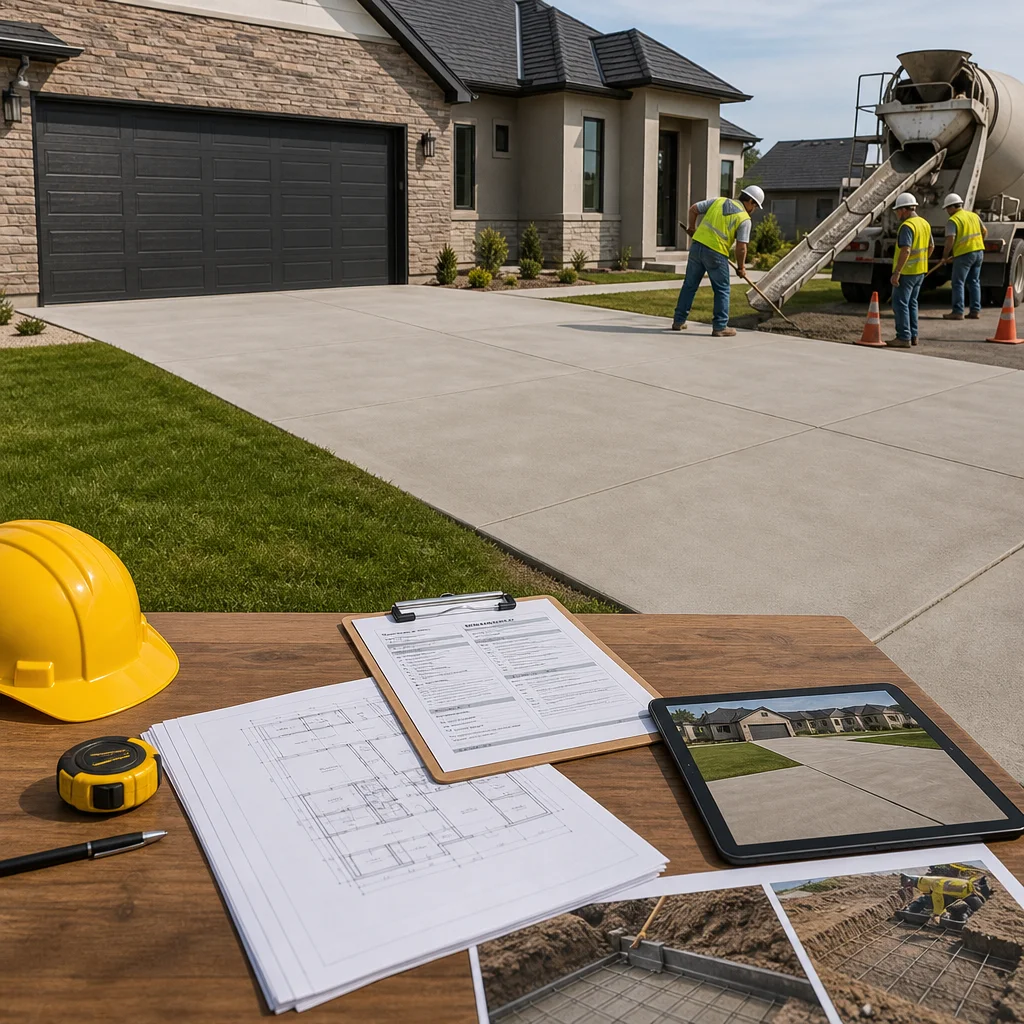
The risks of unlicensed work extend beyond permit issues. Unlicensed contractors often cut corners on base preparation, use substandard materials, or ignore drainage requirements to save money. When problems develop within months, you have no recourse and must pay for repairs out of pocket. A licensed contractor’s reputation and regulatory oversight incentivize quality workmanship.
What to do next: Ask any contractor for proof of current licensing and insurance certificates before signing an agreement. Verify the license directly with the Louisiana State Licensing Board to ensure it’s active and in good standing.
Getting Started With Your Driveway Replacement
Contact us for a free, no-obligation estimate that includes a preliminary assessment of your property’s permit requirements. We’ll evaluate your driveway’s condition, discuss your goals, review local regulations, and provide a transparent quote with a clear timeline and permit plan.
During our initial consultation, we’ll answer questions about the permit process, explain what to expect during inspections, and discuss how we’ll manage every step of the project. We handle all permitting and coordination so you don’t have to navigate the process alone.
Our team has completed hundreds of driveway replacements throughout Lafayette, and we understand the local requirements intimately. We work efficiently to minimize disruption to your property while ensuring every project meets or exceeds code standards.
Reach out today to schedule your free estimate and discover why Lafayette property owners trust us with their concrete projects.
Frequently Asked Questions (FAQ)
Do we handle the permit process for driveway replacement projects?
Yes, we manage the entire permit application and inspection process on your behalf. Our licensed team handles the paperwork, submits documentation to Lafayette authorities, and coordinates all inspections to ensure your project meets local regulations. This takes the administrative burden off you so you can focus on your business or home.
What inspection requirements should we expect for concrete driveway work in Lafayette?
Lafayette requires inspections at key stages: after excavation and site preparation, after the base is installed, and after the concrete is poured and finished. We schedule these inspections with the city and ensure our work meets all specifications before moving forward. Having a licensed contractor like us present during inspections protects your investment and prevents costly rework.
What are common permit mistakes that we help our customers avoid?
Many property owners skip permits entirely or fail to get inspections, which creates liability issues and problems when selling property. We’ve also seen homeowners hire unlicensed contractors who don’t follow local codes, resulting in rejected work. We guide you through proper procedures from start to finish so your driveway project is compliant, insured, and built to last.