1. Licensed and Insured Credentials
Selecting the right concrete contractor in Lafayette can mean the difference between a durable, attractive installation and a costly repair nightmare years down the line. Whether you need driveway work, a new patio, foundation repair, or commercial concrete services, the contractor you choose shapes the entire outcome of your project.
The challenge is that not all concrete contractors operate with the same standards. Some cut corners on materials, skip proper licensing, or disappear once the job is done. As a homeowner or business manager, you need a clear framework for evaluating your options before making a commitment.
We’ve worked with hundreds of Lafayette property owners, and we’ve learned what separates contractors who deliver lasting results from those who leave you frustrated. Here are the seven critical factors you should assess when hiring a concrete contractor.
This is non-negotiable. A licensed concrete contractor has proven they meet Louisiana’s standards for skill, safety practices, and business conduct. Insurance protects you: if someone is injured on your property or equipment damages your home, you’re not liable.
Always ask for proof of:
- Active Louisiana contractor’s license with current status
- General liability insurance (minimum $1 million coverage recommended)
- Workers’ compensation insurance
- Bonding information for payment protection
Many property owners skip this step to save money upfront, then face legal complications when accidents happen. We maintain full licensing and insurance precisely because it protects both our team and our clients. When you hire an unlicensed contractor, you’re assuming all the risk.
Request documentation and verify it independently through the Louisiana State Board of Construction Industries. A reputable contractor will provide these details without hesitation. If someone balks at sharing credentials, that’s your signal to move on.
Action step: Before requesting an estimate, ask for proof of licensing and insurance. Verify credentials through official channels rather than taking the contractor’s word for it.
2. Local Experience and Reputation
A contractor who has been serving Lafayette for years understands our climate, soil conditions, and building codes. They know how humidity and freeze-thaw cycles affect concrete longevity. They’ve worked through permit processes with our local inspectors and understand what gets approved the first time.
Look for contractors with:
- At least 5+ years operating in the Lafayette area
- Local references from past clients (not just online reviews)
- Involvement in the community or local business groups
- A physical local office or established service area
When we talk with potential clients, we often hear stories about contractors from out of state who didn’t account for Louisiana’s clay soils or high water table. These oversights lead to foundation cracks, drainage problems, or accelerated surface deterioration. A Lafayette-based contractor learns these lessons quickly because we live with the consequences.
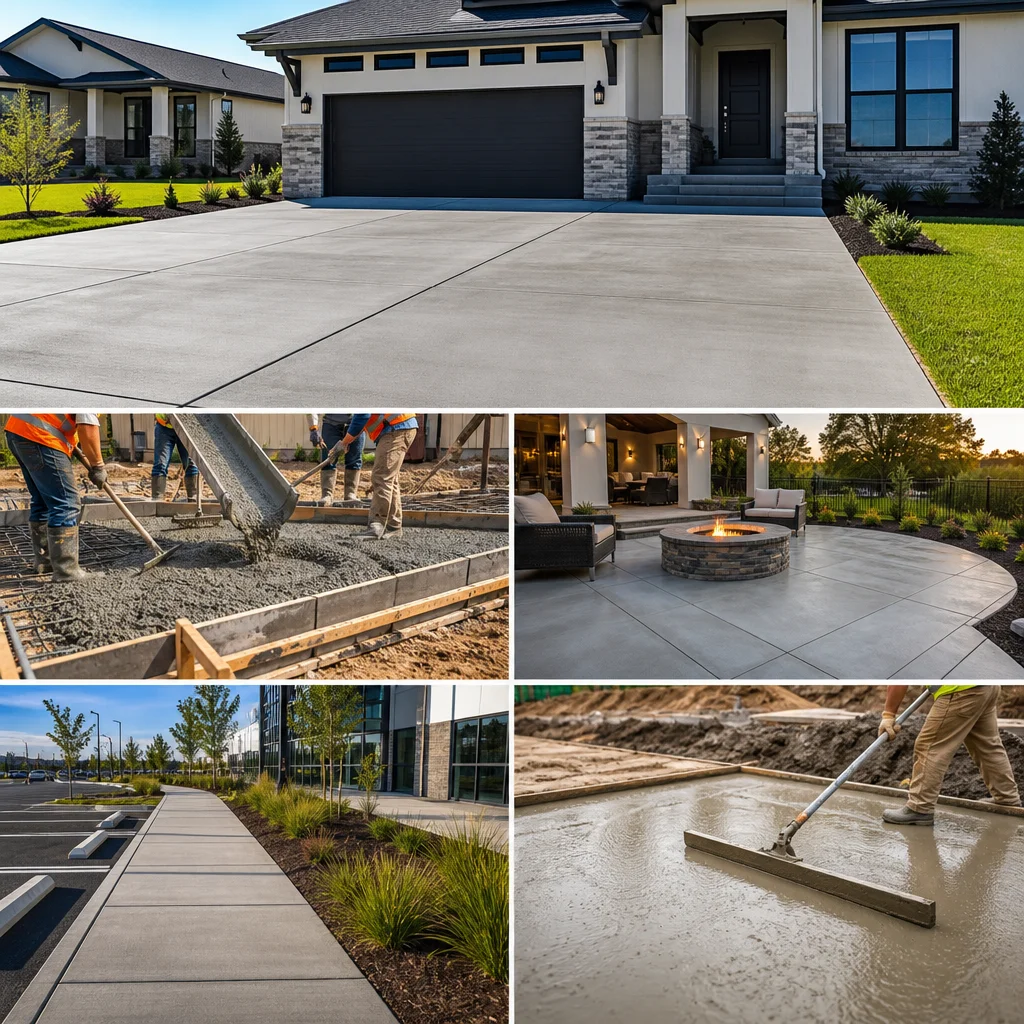
Ask for references and actually call them. A quick conversation with someone whose driveway or patio you can drive by reveals far more than a five-star rating. Ask specifically about communication during the project, whether the timeline held, and how the concrete has held up over multiple seasons.
Action step: Request at least three references and contact them directly. Ask about their experience over multiple seasons and whether the contractor resolved any issues promptly.
3. Comprehensive Service Offerings
Concrete needs vary widely. Your project might start as a simple driveway but expand when inspection reveals foundation settling. A contractor offering only one or two services will hand you off to someone else or leave the job incomplete.
Quality concrete contractors provide the full range:
- Driveway installation and repair
- Residential patios and walkways
- Foundation and slab work
- Concrete leveling and mudjacking
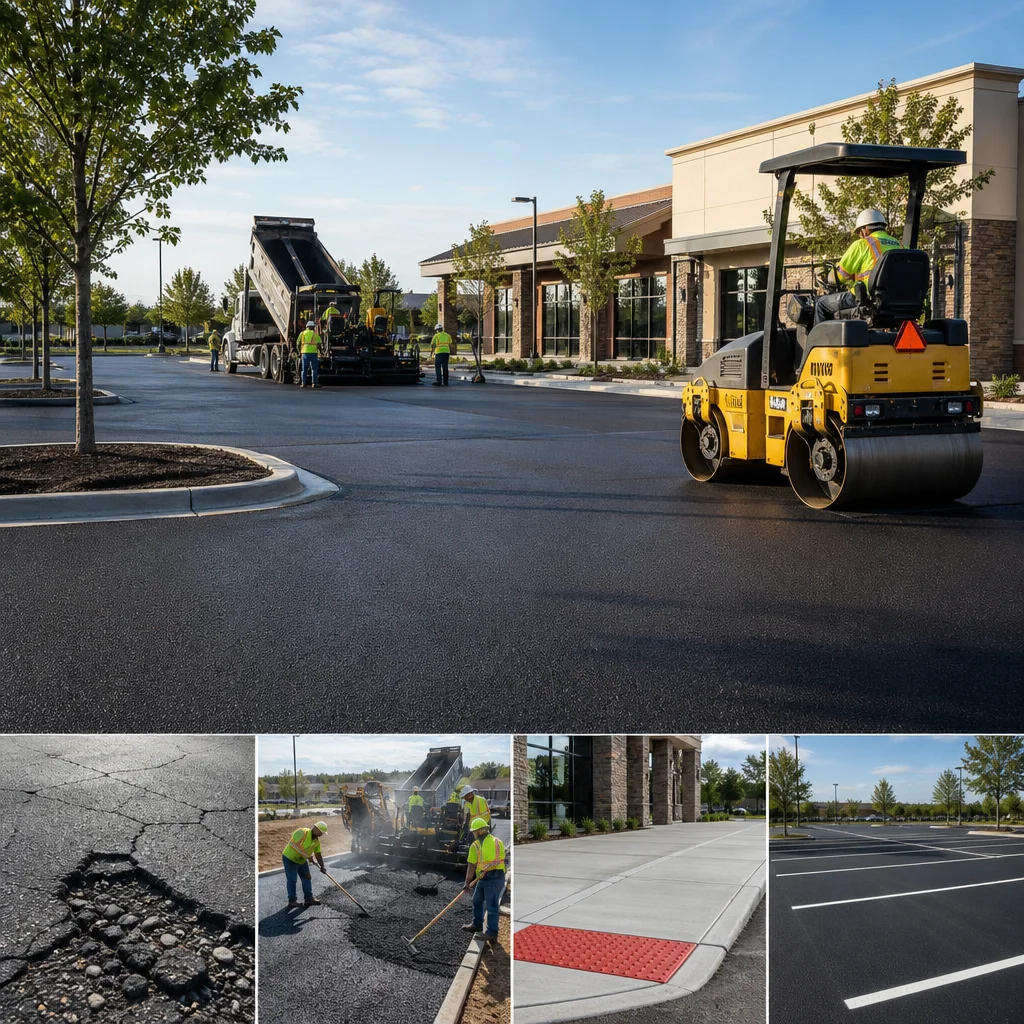
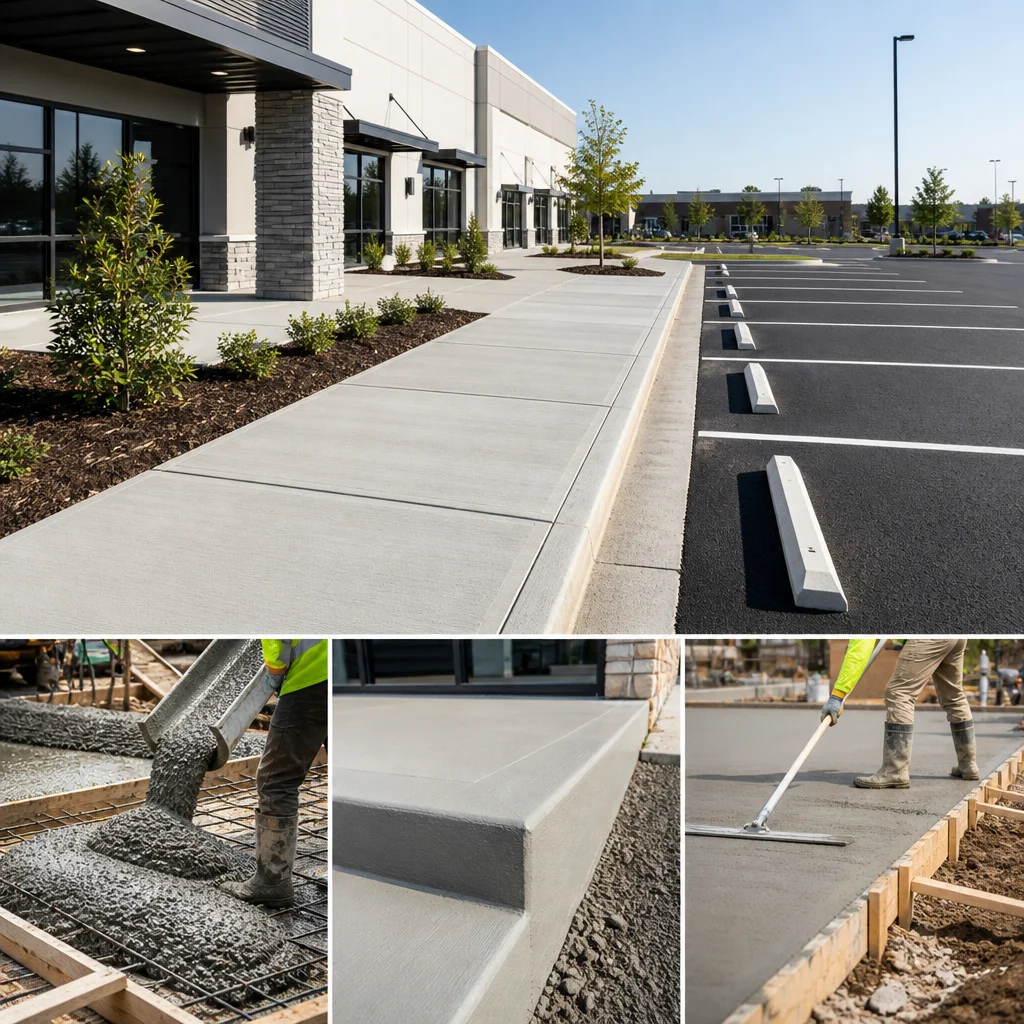
- Commercial parking lots and sidewalks
- Stamped and decorative concrete
When you work with a single contractor across multiple services, you get consistency in quality, pricing, and communication. There’s no confusion about responsibility if something goes wrong at a joint between two different contractors’ work. One point of accountability makes all the difference.
Ask your contractor what services they can handle in-house versus what they’d subcontract. Understanding their scope prevents surprises and delays when your project evolves. Contractors who refuse to subcontract certain work but also can’t handle it in-house are warning signs that quality might suffer.
Action step: Ask each contractor for a detailed list of services they perform directly versus subcontract. Prioritize those who handle your specific needs in-house.
4. Quality of Previous Work
Concrete durability depends on material selection, proper preparation, and correct finishing techniques. The cheapest contractor often cuts corners on these fundamentals. You should see evidence that a contractor invests in quality.
Indicators of quality craftsmanship:
- Straight, clean edges and proper slope for drainage
- Uniform color and finish with no blemishes or uneven wear
- Proper reinforcement (rebar or wire mesh where needed)
- Sealed surfaces that resist staining and weathering
- Accurate project documentation (photos, measurements, specifications)
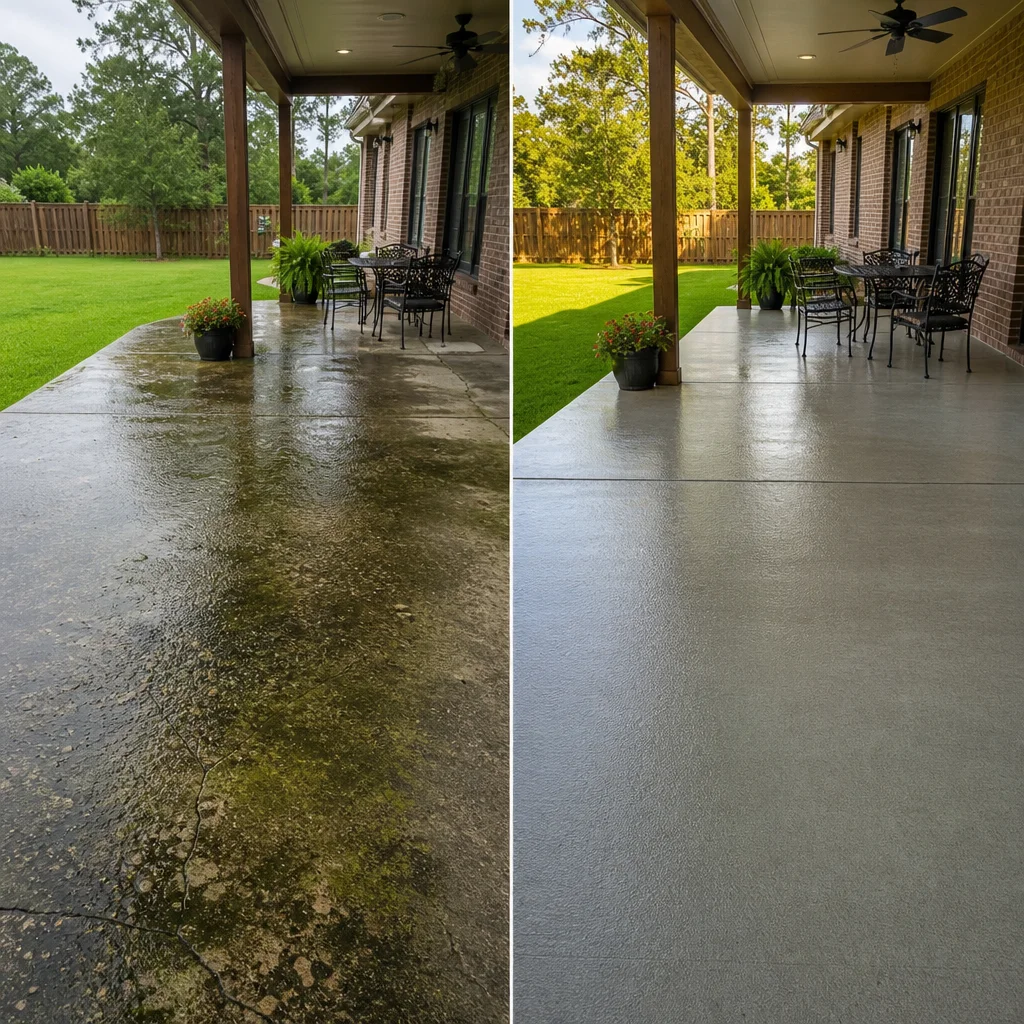
Visit completed projects if possible. Walk on the concrete, check for cracks or settling, and look at how it’s aged. A driveway that’s five years old tells you more than marketing photos. We maintain detailed before-and-after galleries of our work because we’re confident in the results. Contractors who can’t or won’t show you finished projects are often hiding quality issues.
Request to see at least three similar projects from the past 18 months. Ask the contractor how old each project is and whether any maintenance or repairs have been needed since completion. Ask current clients what they wish they’d known before work began.
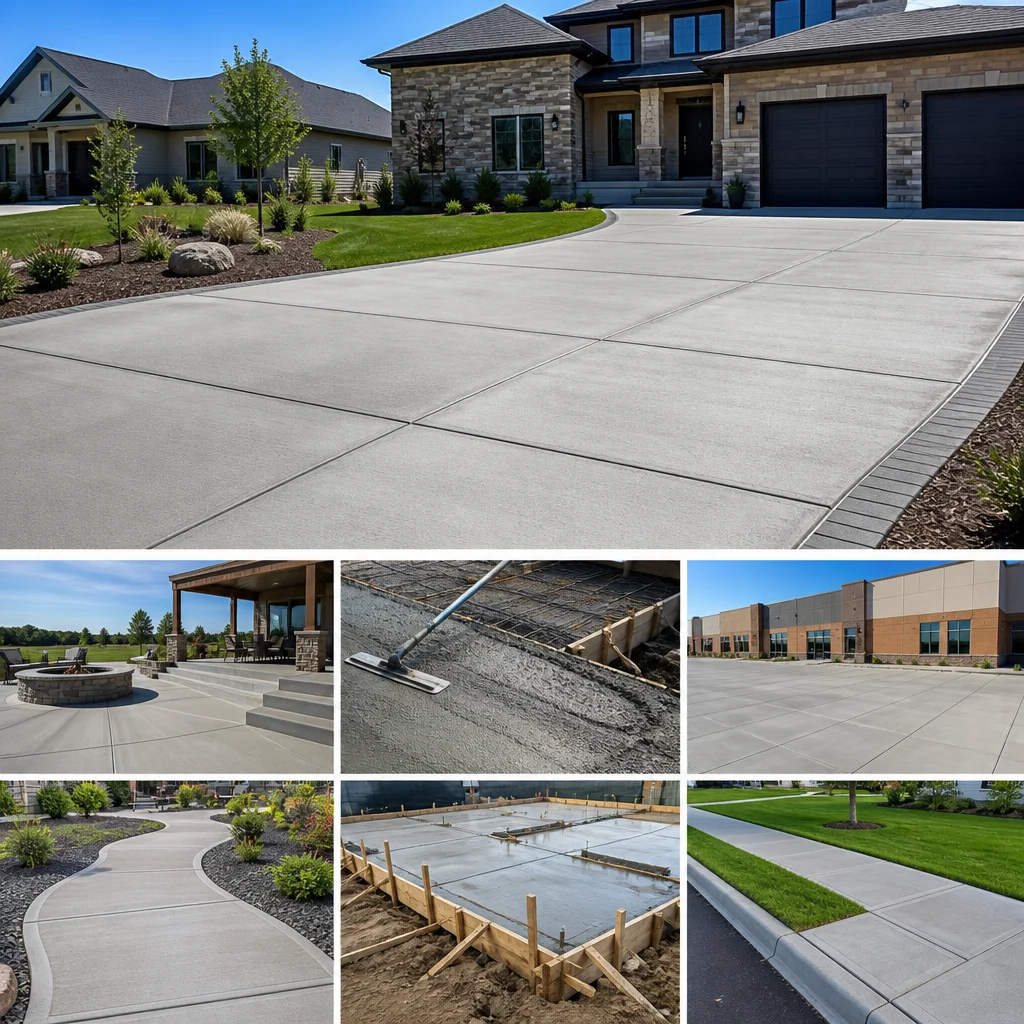
Action step: Schedule site visits to see completed projects in person. Bring photos of what you want accomplished and compare them to actual finished work.
5. Free Estimates and Transparent Pricing
You deserve to understand what you’re paying for before you sign. A legitimate contractor provides a detailed written estimate at no charge and can explain the cost breakdown clearly.
Your estimate should include:
- Square footage or linear measurements
- Concrete grade and thickness specifications
- Prep work and site conditions
- Labor costs and timeline
- Seal or finish treatments
- Any equipment rental or disposal fees
- Payment schedule and terms
Vague estimates like “we’ll charge you $X per square foot” are red flags. Concrete work involves variables: existing conditions, site access, soil stability, and local labor rates all affect pricing. A responsible contractor accounts for these and itemizes them.
We provide detailed estimates because transparency builds trust and prevents misunderstandings mid-project. When you receive multiple quotes, you can compare apples to apples and see where differences come from. Unusually low bids often signal that the contractor is cutting costs on materials or labor quality. Don’t automatically choose the cheapest option, and be cautious of quotes that seem too good to be true.
Action step: Get written estimates from at least three contractors and compare line-by-line. Ask questions about any items you don’t understand or significant price differences.
6. Professional Communication and Timeline Management
Projects run smoothly when communication is clear and consistent. A contractor should respond promptly to questions, provide regular updates, and stick to agreed timelines.
Evaluate communication during the estimate phase:
- Do they answer your calls or respond to messages within 24 hours?
- Do they ask clarifying questions about your needs and preferences?
- Do they explain their process and what to expect?
- Are they willing to discuss concerns or suggest alternatives?
Once work begins, timelines matter. Concrete curing takes time and can’t be rushed. Weather delays happen, but professional contractors plan around them and keep you informed. A contractor who disappears for days without explanation or shows up unpredictably creates stress and uncertainty.
We schedule projects with buffer time for weather and unexpected site conditions, then communicate proactively if timelines shift. Our clients know when to expect us and what stage the work will be in. This predictability lets you plan around construction activity. Establish a regular check-in schedule and preferred contact method during the initial agreement.
Action step: Before hiring, establish communication expectations in writing. Specify how often you’ll receive updates and your preferred contact method.
7. Warranty and Guarantees on Work
Quality contractors stand behind their work. A warranty or guarantee shows confidence in materials and workmanship and protects your investment.
Common warranty structures include:
- Material defects (typically 1-2 years)
- Workmanship defects (typically 2-5 years)
- Structural issues like settling or cracking (varies by scope)
- Sealant re-application or touch-ups
Read warranty terms carefully. Some are limited to specific defects or conditions. Others exclude damage from heavy equipment, salt exposure, or improper maintenance. Understand what’s covered and what isn’t. Ask for the warranty in writing and review it before signing the contract.
Our warranty covers defects in materials and workmanship for a defined period. We also outline maintenance recommendations to help your concrete last longer. Proper sealing, drainage management, and winter care extend concrete life significantly, and we explain these upfront. If a contractor offers no warranty or tries to limit it severely, question why. Long-term durability comes from doing the work right, and contractors confident in their processes aren’t afraid to guarantee results.
Action step: Request warranty details in writing and compare coverage periods across contractors. Ask what maintenance steps you’ll need to take to keep the warranty valid.
For further reading: Licensed and insured Lafayette contractors.
Frequently Asked Questions (FAQ)
What credentials should I verify before hiring a concrete contractor?
We recommend confirming that your contractor holds a current Louisiana license and carries both liability and workers’ compensation insurance. These credentials protect you from financial responsibility if someone is injured on your property or if work doesn’t meet code standards. You should ask us to provide proof of our licenses and insurance certificates before we begin any project.
Why is local experience important when selecting a concrete contractor?
We’ve found that Lafayette’s specific climate, soil conditions, and building codes require contractors who understand the region’s unique challenges. A contractor familiar with local weather patterns and moisture issues can design concrete work that lasts longer and performs better in our Louisiana environment. Our years working in Lafayette have taught us how to prevent problems that contractors from other areas might overlook.
How can I compare pricing and avoid hidden costs?
We provide free, no-obligation estimates so you can compare our pricing with other contractors without pressure. Our quotes include detailed breakdowns of materials, labor, and timelines rather than vague line items that lead to surprises later. This transparency lets you make an informed decision based on actual project scope rather than guessing what the final bill might be.