Why Standard Patios Fail in Lafayette’s Humidity
Lafayette’s weather presents a unique challenge for outdoor concrete surfaces. The combination of high humidity, frequent rain, intense summer heat, and temperature swings creates conditions that deteriorate standard patios faster than in most other regions. If you’re planning a new patio or wondering why your existing one shows signs of wear, understanding how humidity affects concrete durability is the first step toward making a smart investment.
We’ve built hundreds of patios throughout Lafayette and surrounding areas, and we’ve learned exactly which finishes perform best in our climate. This guide covers the most durable patio options, proven protection methods, and maintenance practices that keep patios looking new for decades.
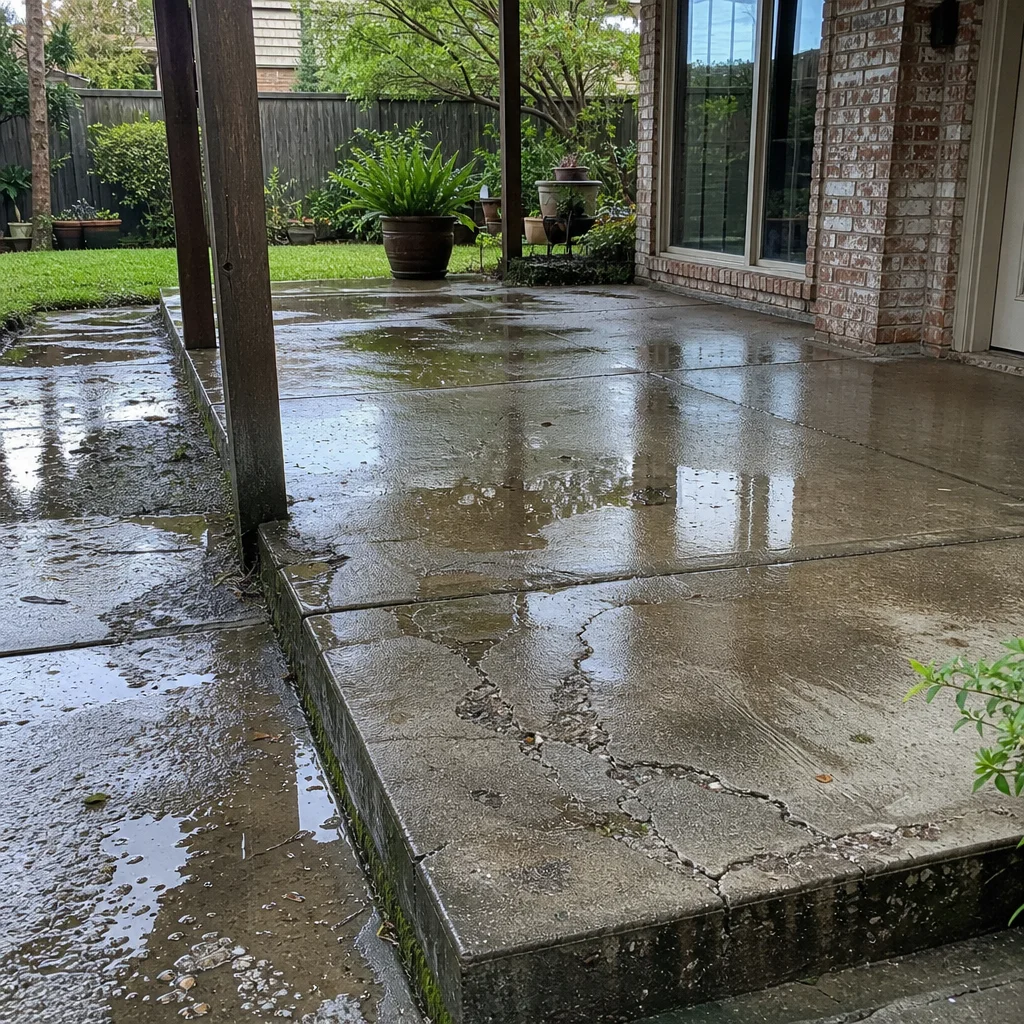
Unprotected concrete is porous. Water penetrates the surface and migrates into the material, causing serious problems over time. In Lafayette’s humid environment, this process accelerates because moisture is always present in the air and regularly absorbed by the concrete.
When water enters concrete, it triggers several damage mechanisms:
- Freeze-thaw cycles (though less severe than northern climates, still occur during winter months)
- Salt crystallization from groundwater deposits
- Mold and algae growth that discolors surfaces and becomes slippery
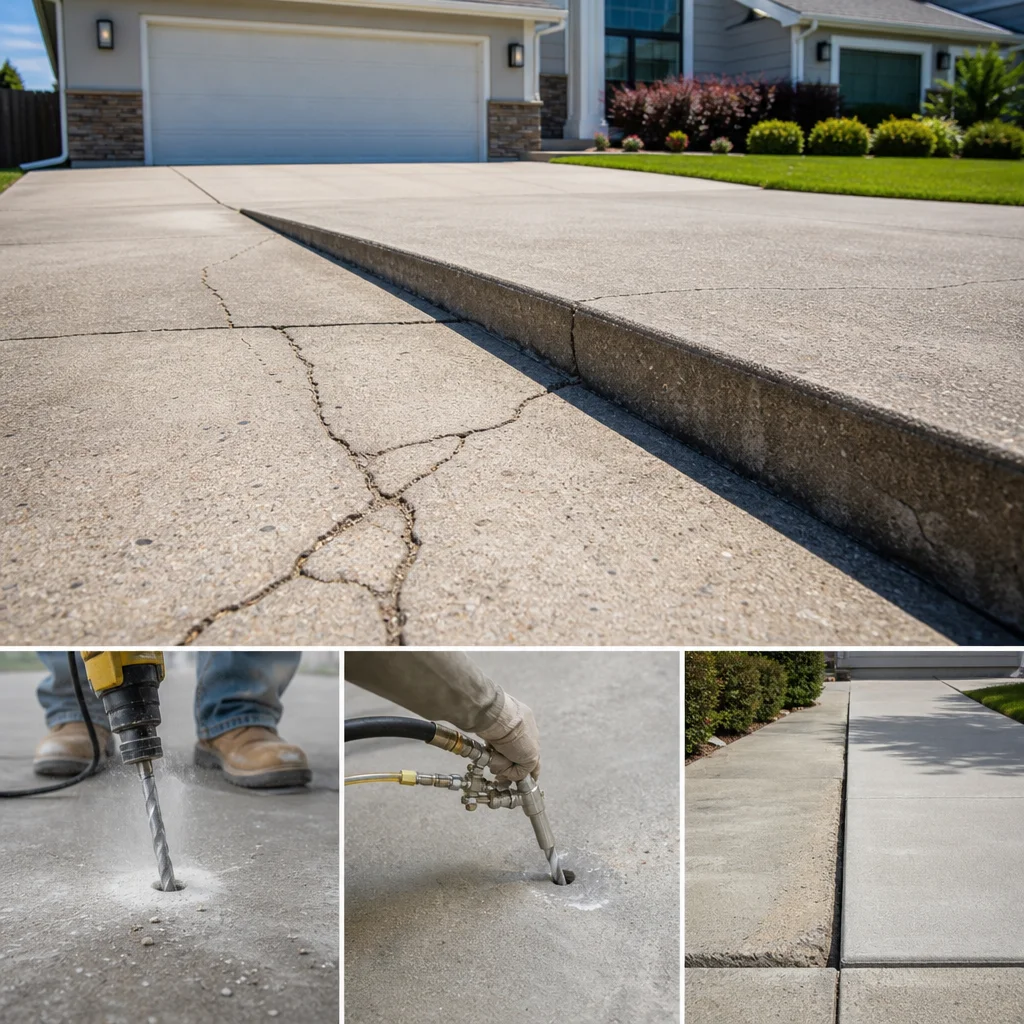
- Spalling where the surface flakes or peels away
- Base erosion underneath the concrete, causing cracking and settlement
A standard gray concrete patio in Lafayette typically shows visible deterioration within 3-5 years without protective treatment. Stains appear, the surface becomes rough and uneven, and cracks widen as the concrete expands and contracts with moisture and temperature changes. These aren’t just cosmetic issues; they indicate structural degradation that will eventually require expensive repair or replacement.
The good news is that proper finishing techniques and protection methods prevent these problems entirely.
How Climate Impacts Concrete Patio Longevity
Lafayette’s subtropical climate has specific characteristics that affect how concrete ages. Our region experiences:
- High annual rainfall (approximately 65 inches per year, well above the national average)
- Persistent humidity (often 70-90% even on dry days)
- Temperature swings from freezing winters to 95-degree summers
- Ground saturation that keeps moisture levels constant near foundation and patio areas
Concrete without protection absorbs water continuously in this environment. The moisture creates internal pressure and accelerates the breakdown of the cement binder that holds the aggregate together. Additionally, our acidic soil and groundwater dissolve concrete gradually, making the problem worse over time.
The right finish addresses these challenges by creating a moisture barrier while allowing the concrete to breathe slightly. This is why sealed concrete, stamped finishes, and decorative coatings perform so differently from bare concrete in our region. A properly finished patio can last 25-30 years or longer, while an unprotected one may need replacement in 10-15 years.
Sealed Concrete: Our Proven Protection Method
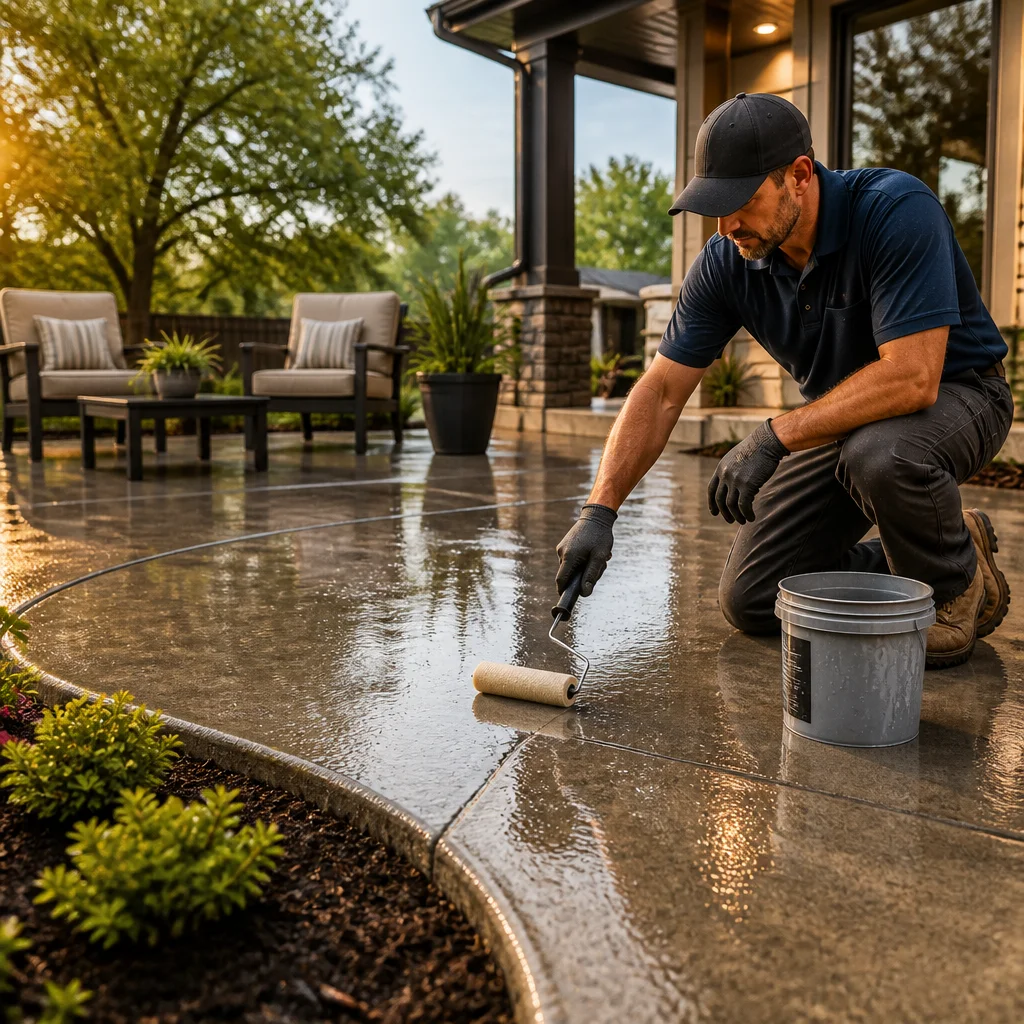
Sealing is the foundation of patio durability in Lafayette. A quality sealer creates a protective film on the concrete surface that repels water while maintaining breathability. We primarily work with two types of sealers, each suited to different needs.
Penetrating sealers sink into the concrete pores and bond with the material itself. These work quietly in the background, preventing water infiltration without changing the appearance of the concrete. They’re ideal if you like the natural gray look and want maximum durability. Penetrating sealers typically last 3-5 years before reapplication is needed.
Topical sealers sit on the surface and create a protective layer. Acrylic and polyurethane sealers fall into this category. They enhance the appearance by adding shine, deepening colors, and providing a smooth or slightly textured finish. Topical sealers last 2-4 years depending on foot traffic and weather exposure.
We recommend penetrating sealers for patios with heavy use or direct sun exposure, as they’re more resistant to wear. For patios in shadier locations or where aesthetic enhancement matters, topical sealers deliver better visual results.
The sealing process is straightforward: we clean and prepare the concrete surface thoroughly, allow it to dry completely, and apply the sealer according to manufacturer specifications. This typically happens 28 days after the concrete is poured, allowing the material to cure fully.
Stamped and Textured Finishes for Enhanced Durability
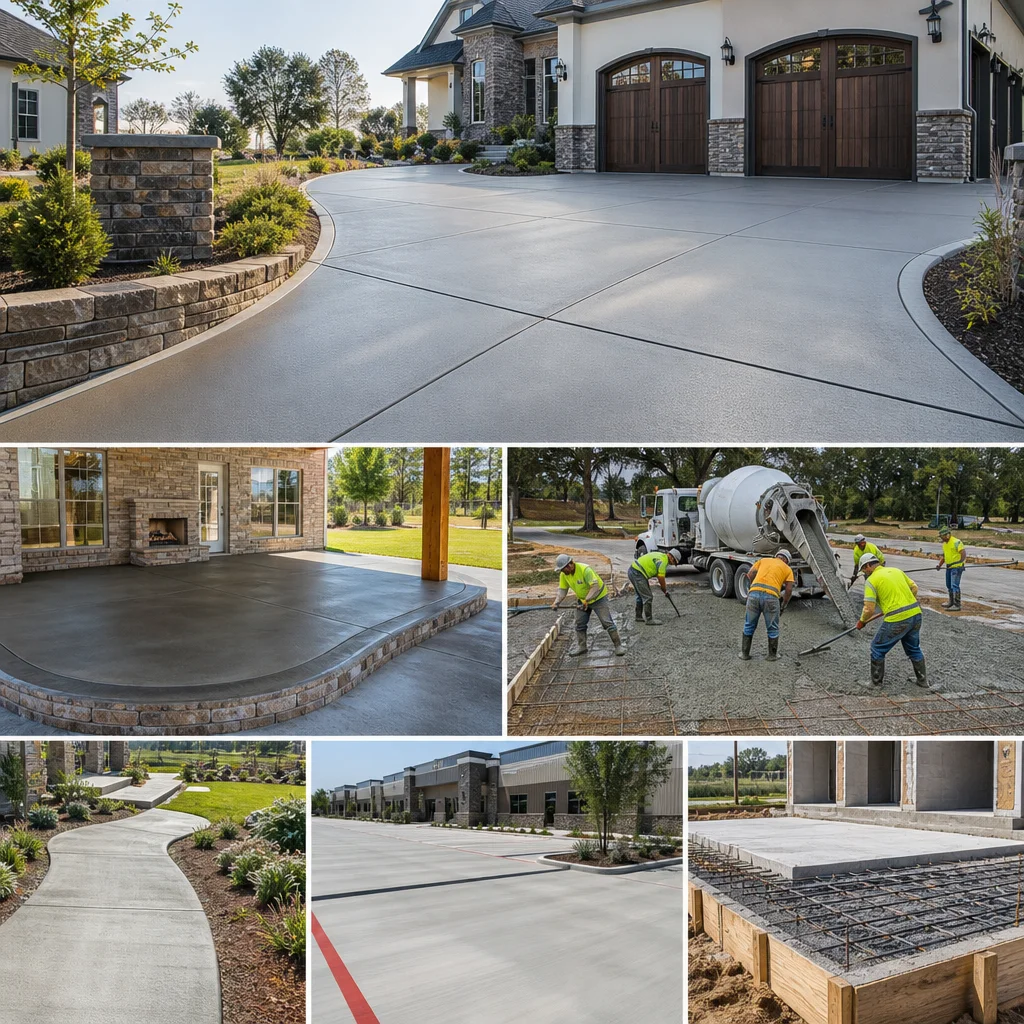
Stamped concrete offers both beauty and enhanced durability compared to smooth finishes. The stamping process creates texture that actually helps water drain from the surface rather than pooling. We use specialized mats to create patterns that mimic natural stone, brick, or tile while the concrete is still workable.
The texture provides multiple advantages in Lafayette’s climate:
- Improved drainage prevents water from sitting on the surface
- Better traction reduces slipping hazards when wet, which is frequent here
- Disguises stains more effectively than smooth concrete
- Adds visual interest that increases property appeal
Textured finishes also work well with sealers. We apply the same protective coatings to stamped concrete, which locks in the pattern and color while providing the moisture protection your patio needs. Stamped and sealed patios typically maintain their appearance for 15-20 years or longer with proper maintenance.
The cost of stamping is moderate, typically adding 15-25% to the base concrete price. Many property owners find this investment worthwhile given the durability and aesthetic benefits.
Decorative Options That Withstand Louisiana Weather
Beyond stamping, we offer several decorative finishes that perform well in humid climates. Colored concrete is popular in Lafayette, and modern pigments are formulated to resist fading even under intense sun exposure. We use integral pigments (mixed into the concrete during pouring) rather than surface stains when durability is the priority.
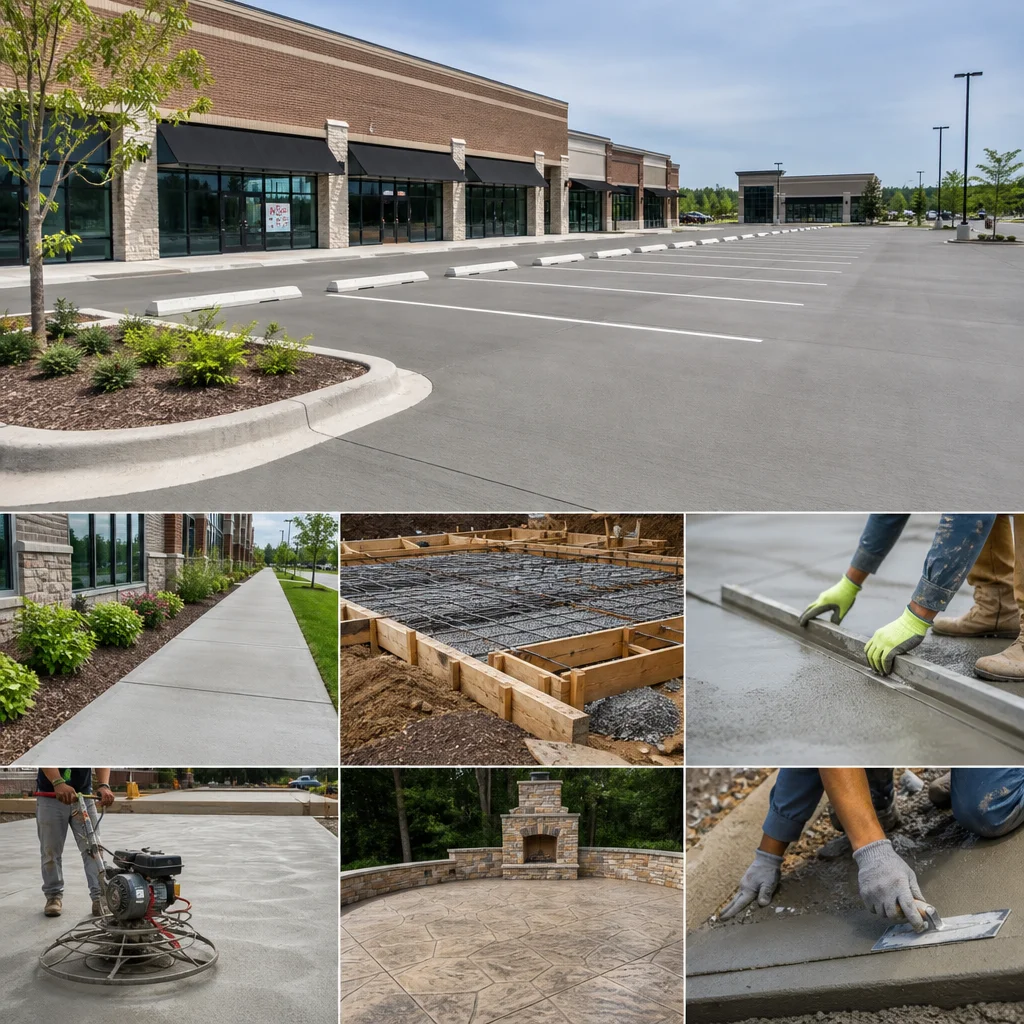
Exposed aggregate finishes are another excellent option. This process removes the top layer of cement paste to reveal the stones beneath, creating a naturally textured, attractive surface. The exposed stones provide excellent traction and drainage while the decorative appeal is substantial. Many commercial properties in Lafayette feature this finish because of its longevity and professional appearance.
Stained concrete adds character to patios without the sealing concerns of some decorative methods. We use acid stains or concrete dyes to create unique colors and mottled patterns. Staining works particularly well on existing patios that need a refresh without full replacement.
All decorative finishes should be sealed to ensure longevity. The sealer protects the aesthetic enhancement while providing the moisture barrier your patio needs.
Maintenance Practices to Extend Patio Life
Proper maintenance is as important as the finish you choose. We recommend a seasonal approach to patio care:
Spring and fall: Clean the patio thoroughly with a soft-bristle brush or pressure washer on low setting. Remove dirt, leaves, and debris that trap moisture. Inspect for cracks or damage.
Summer: Reseal high-traffic areas if they show signs of wear. Keep the surface dry by clearing standing water promptly after rain.
Winter: Use rock salt alternatives rather than standard road salt, which accelerates concrete deterioration. Shovel snow gently rather than using a metal blade that can scratch sealed surfaces.
Year-round: Address spills quickly, especially oil or acidic substances. Apply a new sealer coat every 3-5 years depending on traffic and weather exposure.
These simple practices cost nothing except time and prevent the expensive damage that requires professional repair or replacement.
Why Professional Installation Matters for Durability
How a patio is constructed directly affects how long the finish will last. Poor preparation, improper concrete mix design, inadequate curing time, or incorrect sealing techniques create weak foundations that fail prematurely regardless of finish type.
When we install a patio, we control multiple factors that amateur or low-cost contractors often overlook:
- Proper slope and drainage so water doesn’t pool or drain toward foundations
- Reinforcement placement that prevents cracking under stress
- Concrete mix design optimized for our climate and intended use
- Adequate curing time before sealing or finishing
- Professional-grade materials rather than consumer-grade products
A licensed, insured contractor like Concrete Works uses proven techniques developed through years of experience with Lafayette’s specific conditions. This expertise directly translates to patios that outlast the alternatives.
Our Installation Process Ensures Long-Term Performance
Our patio installation follows a systematic approach designed to maximize durability in Lafayette’s climate. We begin with a site assessment that evaluates drainage, soil conditions, and proximity to structures. Poor drainage is often the root cause of patio failure, so this initial step is critical.
Next, we prepare the base with proper grading and compacted stone or gravel. This foundation prevents water from pooling beneath the patio and ensures even settling. We then set forms and finalize the surface slope, typically creating a 1/8-inch drop per foot to direct water away from structures.
The concrete pour follows, using a mix design optimized for our region. We place and finish the concrete, then allow adequate curing time before any sealing or decorative work. We typically wait 28 days before applying sealers to ensure the concrete has reached full strength.
Finally, we apply the protective finish using professional-grade materials and proven techniques. This systematic approach takes longer than quick installations, but the result is a patio built to last decades rather than years.
Comparing Finish Types for Your Property Needs
Choosing the right finish depends on your property’s characteristics, your aesthetic preferences, and your maintenance commitment. Here’s how the main options compare:
Standard sealed concrete offers maximum durability at the lowest cost. Best for property owners who prioritize longevity and don’t mind a simple appearance.
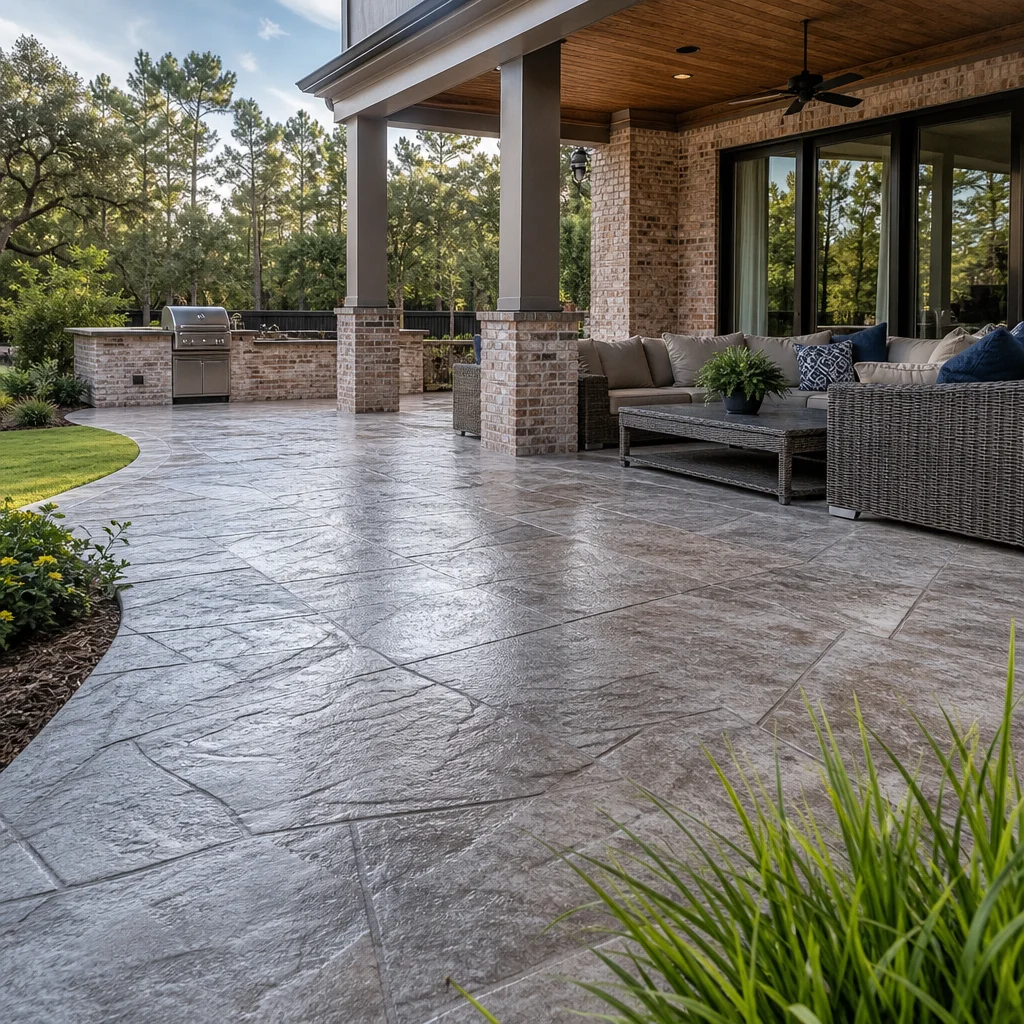
Stamped and sealed concrete provides excellent durability with significant aesthetic appeal. Ideal for residential patios where appearance matters alongside performance.
Exposed aggregate delivers professional appearance and superior traction. Recommended for commercial properties or patios with heavy traffic.
Stained concrete works well for existing patios needing refresh or new patios where unique color is desired. Requires consistent resealing to maintain appearance.
We discuss your specific needs during the estimate process and recommend the finish that best balances durability, appearance, and maintenance requirements for your situation.
Investment and Warranty Protection
A properly finished patio is a significant investment that adds value to your property while providing years of functional outdoor space. The cost varies based on size, finish complexity, and site conditions, but sealed concrete typically costs $8-15 per square foot installed, with stamped or decorative options adding 15-40% to that base price.
This investment is protected by our warranty coverage. We offer a 1-year warranty on all installed patios covering workmanship and material defects. Many of our sealers include manufacturer warranties extending 3-5 years depending on the product.
Proper maintenance extends your warranty coverage and keeps your patio looking new. Most property owners find that spending a few hours annually on maintenance prevents expensive repairs and keeps their investment performing as intended.
If you’re planning a patio installation or need to address deterioration on an existing surface, we’re ready to help. Our team provides no-obligation estimates for all patio projects, letting you understand costs and options before making a decision. Contact us today to discuss the best durable patio finish for your Lafayette property.
For further reading: humid Lafayette weather.
Frequently Asked Questions (FAQ)
What finish do we recommend for patios in Lafayette’s humid climate?
We recommend sealed concrete as our primary solution because the seal creates a protective barrier that resists moisture penetration and mold growth. For added durability, we also offer stamped and textured finishes that improve water drainage and reduce pooling. Our team will assess your specific property conditions to determine which finish type best suits your needs.
How often do we need to reseal our concrete patio?
We typically recommend resealing every 2-3 years in Lafayette’s climate, though this depends on foot traffic and weather exposure. Our customers who follow this maintenance schedule see significantly extended patio life and better protection against humidity damage. We can discuss your specific situation during a free estimate to give you a more precise timeline.
What’s the difference between our installation process and standard concrete work?
We focus on proper site preparation, drainage consideration, and quality sealing application from the start, which prevents many durability issues before they develop. Most standard installations skip these critical steps that make the difference in humid climates like ours. Our process includes follow-up maintenance guidance so you get the longest possible life from your investment.