1. Material Quality and Concrete Specifications
Getting multiple estimates for driveway replacement is smart. What’s not smart is treating all estimates as equivalent. A $5,000 quote and a $7,000 quote might look worlds apart on paper, but the real difference lies in what you’re actually paying for. We’ve worked on hundreds of driveways across Lafayette and the surrounding areas, and we’ve seen homeowners make costly decisions by fixating on price alone.
The gap between a good estimate and a bad one often comes down to five critical factors. Missing just one of these can lead to a driveway that fails early, hidden expenses mid-project, or worse, a contractor who disappears when problems arise. Let’s walk through what separates a professional evaluation from one that leaves you vulnerable.
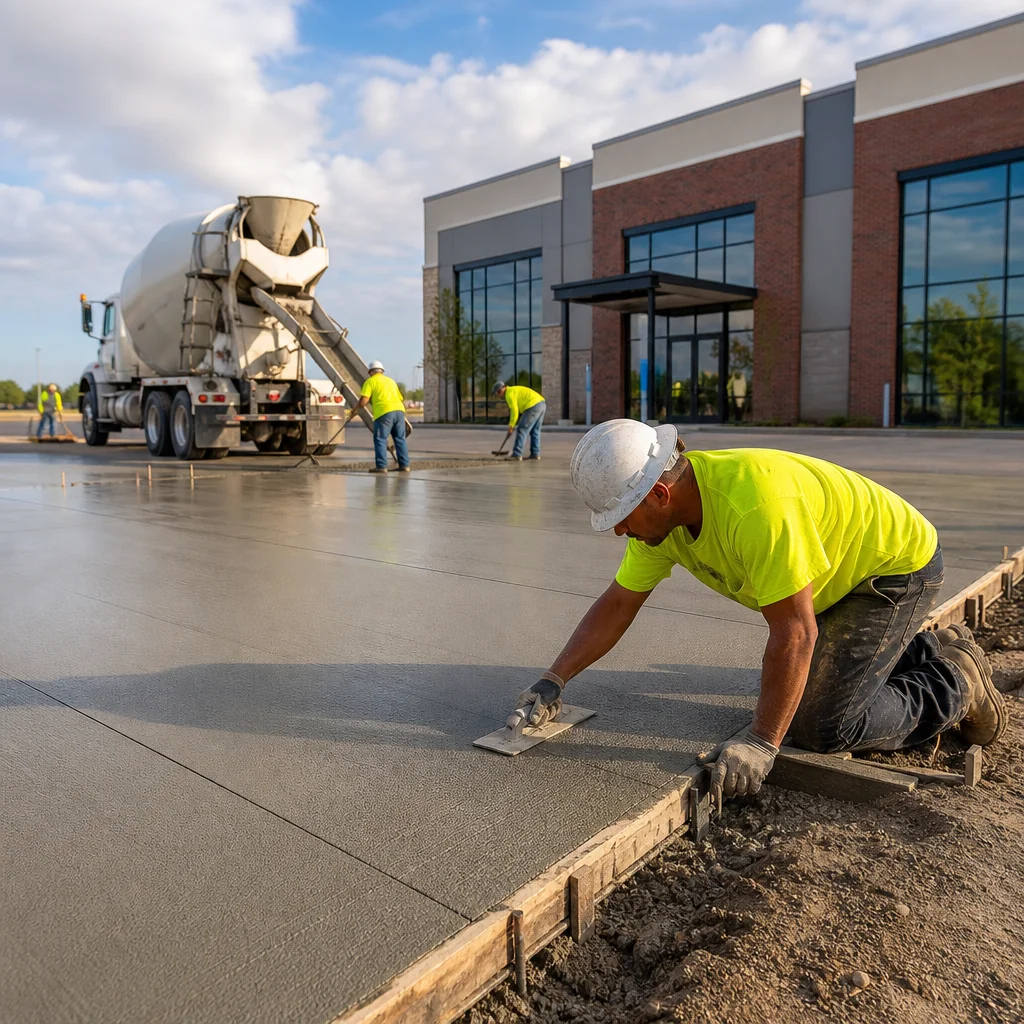
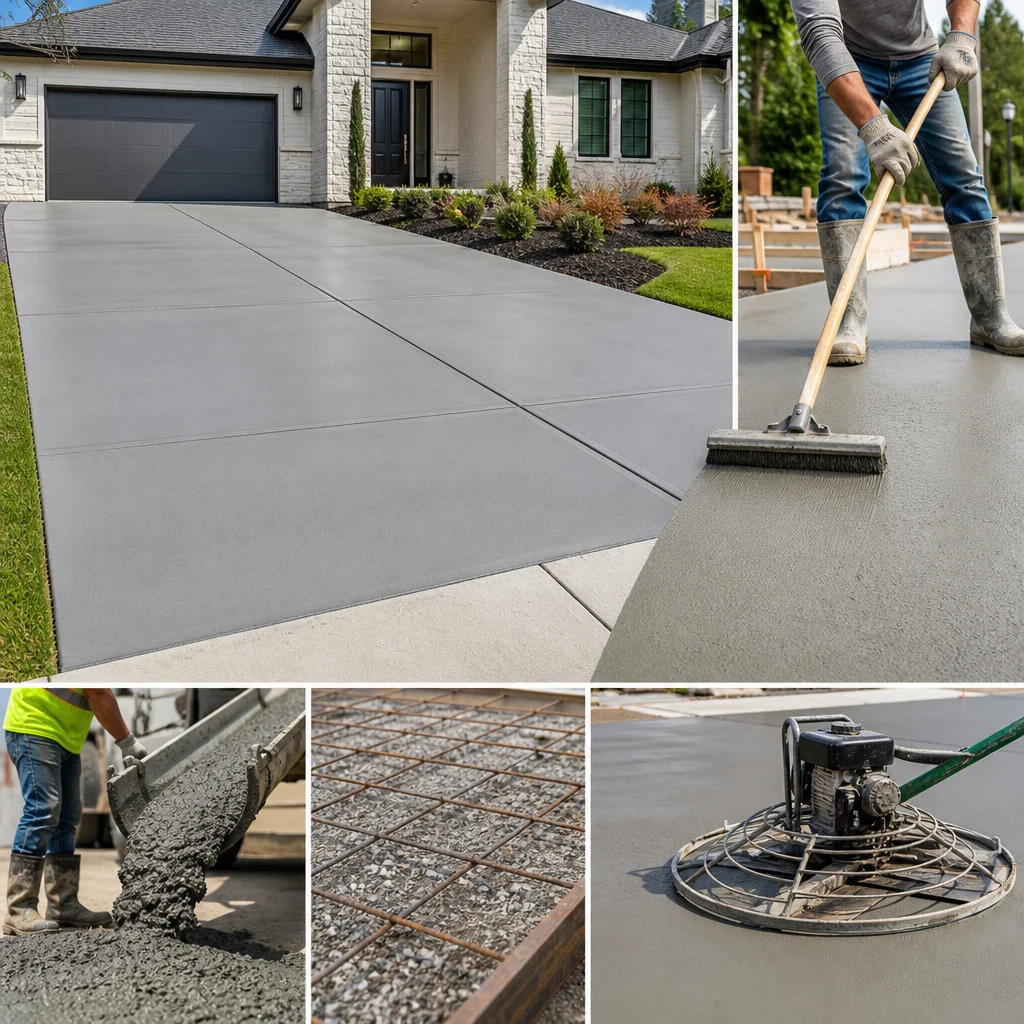
Not all concrete is created equal. When you receive a driveway replacement estimate, the contractor should spell out the exact concrete specifications they’re using. This includes the PSI (pounds per square inch) strength rating, air entrainment percentage, and whether they’re adding fiber reinforcement or rebar.
Standard residential concrete typically runs 3,000 to 4,000 PSI. For driveways in Louisiana’s climate where moisture and temperature fluctuations are constant, we recommend 3,500 PSI minimum with proper air entrainment (4-8%) to resist freeze-thaw cycles. Some contractors won’t mention this at all, which is a red flag. They might be cutting costs by using a weaker mix that looks fine initially but deteriorates within five to seven years.
Ask the contractor directly: “What’s your concrete specification, and why did you choose it?” A quality estimate will include this detail. The answer tells you whether they understand local conditions and are building for longevity or just moving the job quickly. We always specify our concrete by PSI, air content, and any reinforcement method so our clients know exactly what they’re getting.
Action item: Request a written specification sheet from each estimate. If a contractor can’t provide it, they’re likely using a generic one-size-fits-all approach that won’t serve your Lafayette property well.
2. Contractor Licensing and Insurance Verification
Louisiana requires concrete contractors to carry proper licensing and insurance. Yet we consistently hear from homeowners who didn’t verify this before signing. An uninsured contractor might offer rock-bottom pricing, but if someone gets injured on your property or equipment damage occurs, you could be liable.
When you receive an estimate, you should receive proof of current licensing from the Louisiana State Licensing Board and a certificate of insurance. The insurance policy should list general liability and workers’ compensation coverage with adequate limits. Most professional contractors include these documents with their estimate without being asked.
Verification takes 10 minutes. Visit the licensing board website or call your contractor’s listed phone number to confirm their credentials independently. We recommend asking to see both the original license and the insurance certificate before moving forward with any contractor. This isn’t about distrust; it’s about protecting yourself and ensuring the person doing structural work on your property meets legal standards.
Why does this matter for estimate evaluation? An uninsured contractor’s low price is artificially low because they’re not carrying the cost of protection. The moment something goes wrong, you’re out the money and facing potential legal issues. Our team is fully licensed and insured, which is reflected in our pricing because we operate within professional standards.
Action item: Compare driveway replacement estimates by first eliminating any contractor who can’t produce current licensing and insurance documentation. This single step removes the biggest risk factor.
3. Project Timeline and Completion Guarantees
A vague timeline is a warning sign. Quality driveway replacement requires specific conditions: proper weather, adequate curing time, and no shortcuts. When a contractor says “We’ll be done in a few days,” they’re either underestimating the scope or planning to cut corners.
Our process takes longer because we do it right. Site preparation, subbase inspection, proper drainage setup, concrete placement, and curing require at least 5-7 days minimum, weather permitting. We won’t guarantee completion in less time because concrete needs approximately 7 days to reach 75% strength and 28 days for full strength. Until it fully cures, the surface remains vulnerable.
A solid estimate includes a realistic timeline that accounts for weather delays, material delivery, and proper curing periods. It should also specify a guaranteed completion date with penalties if the contractor misses it. This protects you from a project that drags on indefinitely or one that’s rushed to meet an artificial deadline.
Ask each contractor: “What happens if weather delays the project, and what’s your policy on completion guarantees?” Their answer reveals how organized and committed they are. Contractors who build in buffer time and communicate delays transparently are typically the ones doing quality work.
Action item: Request a written project schedule with start and end dates. Prioritize estimates that include weather contingency language and documented completion guarantees over ones that remain vague about timing.
4. Warranty Coverage and Long-Term Protection
Warranties separate confidence from uncertainty. A contractor who stands behind their work offers warranty coverage; one who doesn’t is essentially saying “fix it yourself if something goes wrong.”
We provide warranties on our concrete work because we know the quality of what we’re installing. A typical concrete warranty should cover material defects and workmanship for at least 2-5 years. Anything less suggests the contractor isn’t confident in their installation methods or materials.
When reviewing estimates, look for warranty language that specifies:
- What’s covered (surface cracks, structural failure, drainage issues, etc.)
- What’s excluded (damage from neglect, extreme weather beyond normal conditions, or physical damage)
- Duration of coverage (how long you’re protected)
- Claim process (how to report an issue and get it resolved)
Don’t assume a warranty is included. Many contractors provide estimates without mentioning warranty at all, which means they offer none. The warranty difference between contractors might represent only a few hundred dollars in their cost, but it provides thousands of dollars in protection for you.
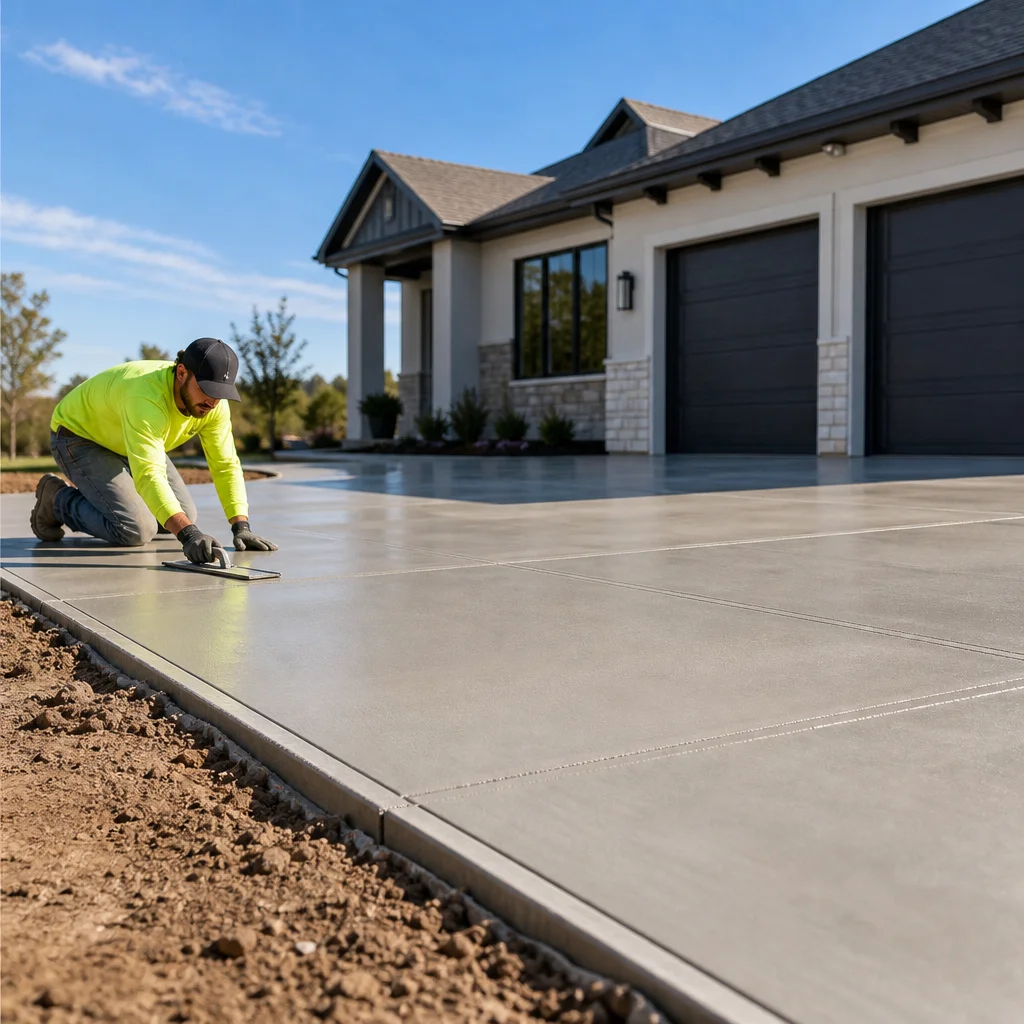
Action item: Request the warranty terms in writing for each estimate. Compare not just the length of coverage but what’s explicitly included. A 5-year warranty that excludes cracking is less valuable than a 3-year warranty that covers structural issues comprehensively.
5. Hidden Costs and Detailed Breakdown Analysis
The estimate you see isn’t always the price you’ll pay. Hidden costs emerge during the project when the contractor discovers soil conditions, drainage problems, or removal complications that weren’t obvious from the initial walkthrough.
This is where a detailed breakdown matters significantly. A quality estimate itemizes costs by phase:
- Site removal and excavation
- Subbase preparation and compaction
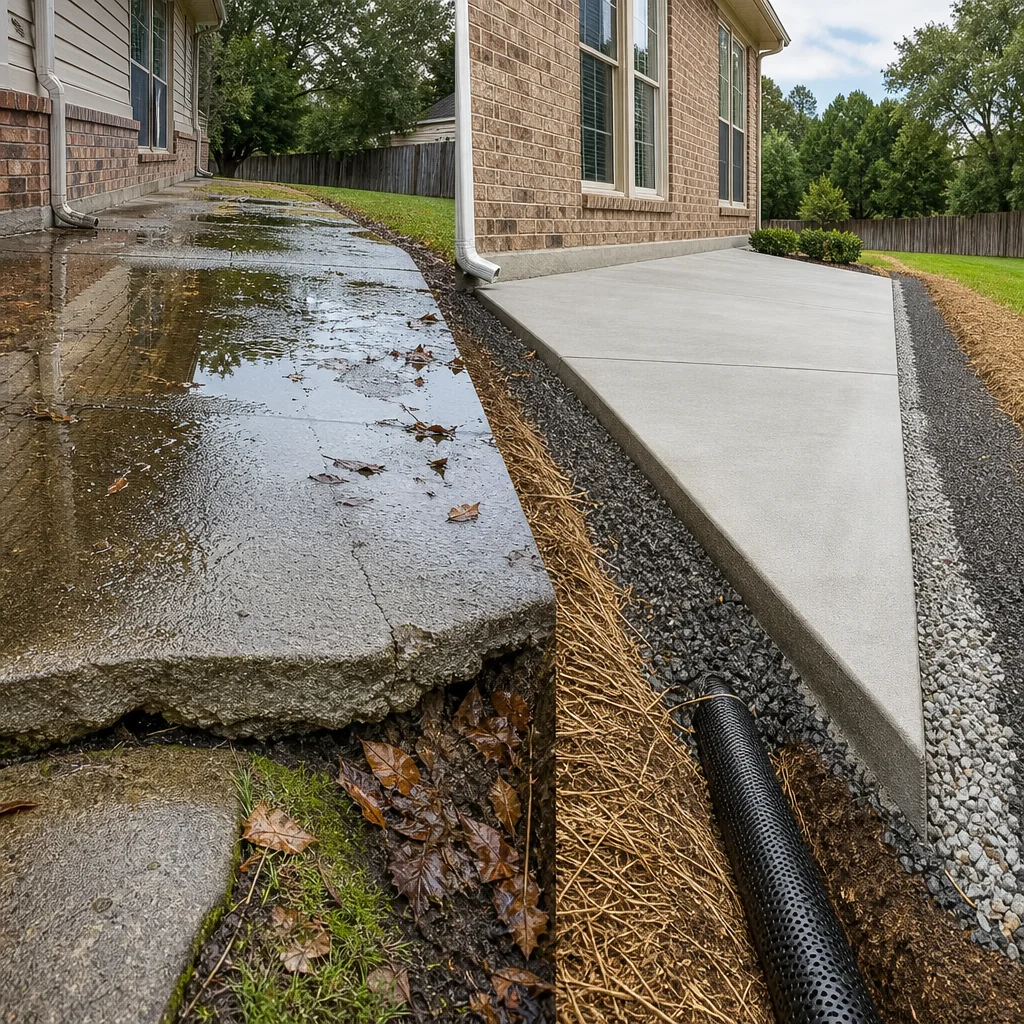
- Drainage work and grading
- Concrete material and labor
- Finishing and sealing
- Permitting and inspections (if applicable)
When contractors lump everything into a single line item (“Driveway replacement: $6,500”), you have no visibility into what you’re paying for. Changes mid-project become arguments about what was “already included.”
We break down every estimate by component so clients understand exactly where their money goes. If excavation reveals soft soil requiring deeper subbase work, we can show the original plan and explain the additional cost with documentation. Transparency here builds trust and prevents disputes.
Also ask about contingency costs. Our estimates typically include a 10% contingency fund for unexpected conditions discovered during work. Some contractors include this; others discover “surprises” after starting and charge separately. Knowing how contingencies are handled prevents sticker shock later.
Action item: Request that each contractor provide a detailed line-item breakdown rather than a lump-sum price. Ask specifically about contingency costs and how changes are handled. Compare apples to apples by ensuring each estimate includes the same scope of work.
6. References and Local Project Portfolio
References from past clients and a portfolio of completed work provide proof that a contractor delivers what they promise. Yet many homeowners skip this step, relying instead on online reviews or a contractor’s word.
Ask for at least three local references from similar projects completed within the past two years. Call them and ask specific questions: Did the work get completed on schedule? Were there unexpected costs? How does the driveway hold up? Are they satisfied with the result?
A contractor with a strong local portfolio should be comfortable providing this information. If they hesitate or give vague responses, that’s telling. We maintain relationships with our past clients in Lafayette and regularly share our work in the community because we’re proud of what we deliver.
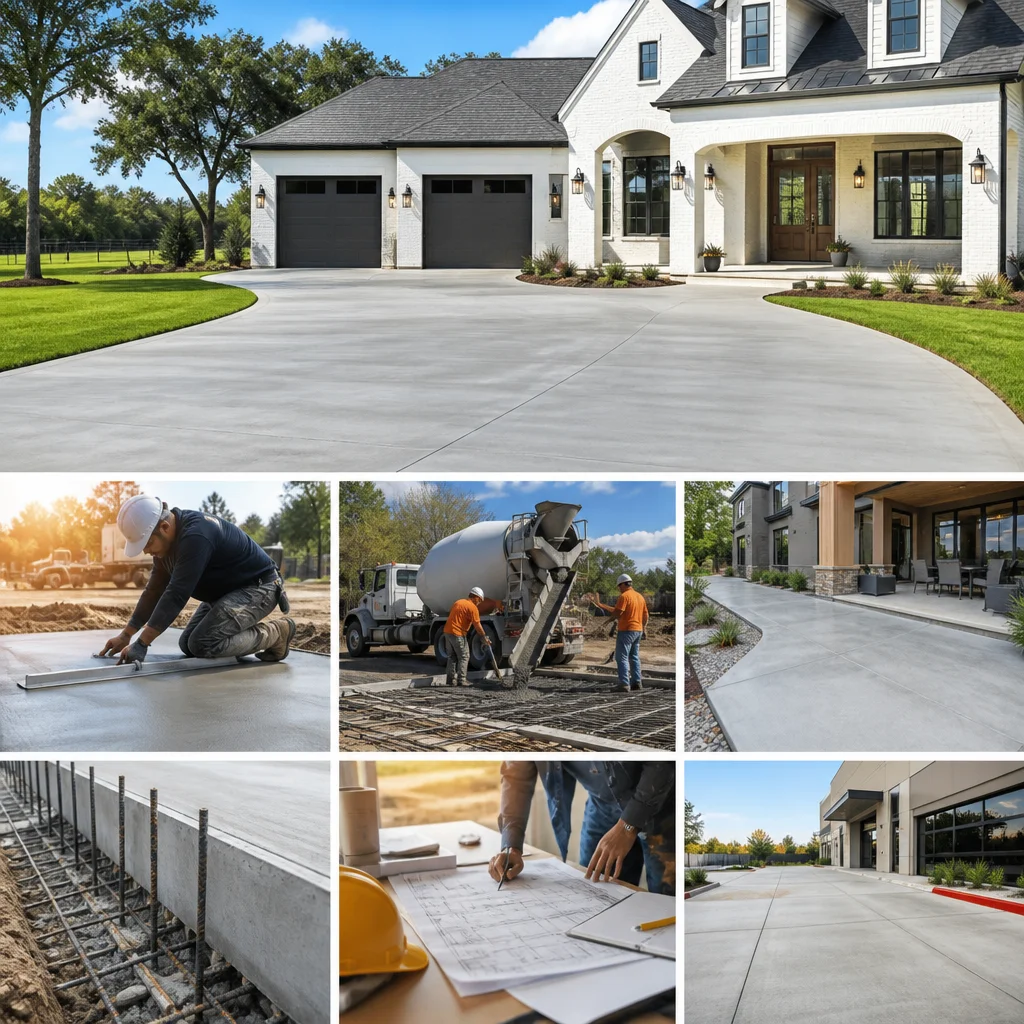
Visit completed projects if possible. See how an older installation has aged. Look at how drainage is handled, whether cracking has appeared, and how well the surface has held up to Lafayette’s weather. A two-year-old driveway shows real-world performance that estimates and promises can’t communicate.
When comparing estimates, weight this factor heavily. A slightly higher price from a contractor with excellent local references and visible portfolio work is usually the safer choice than saving $500 with a contractor you can’t verify.
Action item: Before deciding on any contractor, call at least two references and, if possible, drive by one completed project. This 30-minute investment can prevent thousands of dollars in problems down the road.
—
Getting the right driveway replacement estimate comes down to looking beyond the headline price. Material specifications, licensing verification, realistic timelines, warranty protection, transparent cost breakdowns, and verified references each answer an important question: Will this contractor deliver quality work that lasts?
We recommend requesting written estimates from multiple contractors and evaluating each against these five factors. When you’re ready to move forward, we’re here to provide a no-obligation estimate that addresses every one of these points. Our team brings decades of combined experience with Lafayette’s specific soil and climate conditions, and we’re committed to transparency throughout the process. Contact us today for a detailed driveway replacement estimate you can evaluate with confidence.
Frequently Asked Questions (FAQ)
What should we look for when comparing driveway replacement estimates?
When you’re reviewing estimates from us or other contractors, focus on the concrete specifications, project timeline, warranty terms, and whether costs are itemized clearly. We recommend requesting detailed breakdowns that show material quality, labor costs, and any potential additional expenses so you can make an accurate comparison across proposals.
Why is contractor licensing and insurance important for driveway work?
Licensing and insurance protect you and your property during the project. We maintain full licensing and insurance coverage, which means you’re covered if any damage occurs and you have recourse if work doesn’t meet standards. Always verify these credentials directly with your state’s licensing board before hiring any contractor.
How do we handle warranties on driveway installations?
We provide warranty coverage on our concrete work to give you long-term protection and peace of mind. The specifics depend on your project, so we discuss warranty details during our free estimate consultation so you understand exactly what’s covered and for how long.